Whenever I walk into a maintenance area, I can usually tell within a few seconds whether the place supports lean thinking or quietly fights against it, because the signs are everywhere, in the way technicians search for tools, in the way spare parts pile up near machines, in the way benches become storage islands instead of working surfaces, and in the way people lose little pieces of time that nobody notices individually even though those little losses add up into a very expensive kind of daily friction 😊 A lean maintenance area is not just a clean room with a few labels on drawers, and I think this is where many companies miss the bigger opportunity, because true lean design creates a workspace where motion feels natural, the next tool is easy to reach, the next job is easy to prepare, and the environment quietly guides people toward consistency without forcing them to think too hard about where things belong. This is exactly why I find Detay Industry so relevant in this conversation, because modular tool trolleys are not merely mobile storage boxes, they are practical building blocks for a maintenance area that needs order, flexibility, visibility, and speed all at the same time.
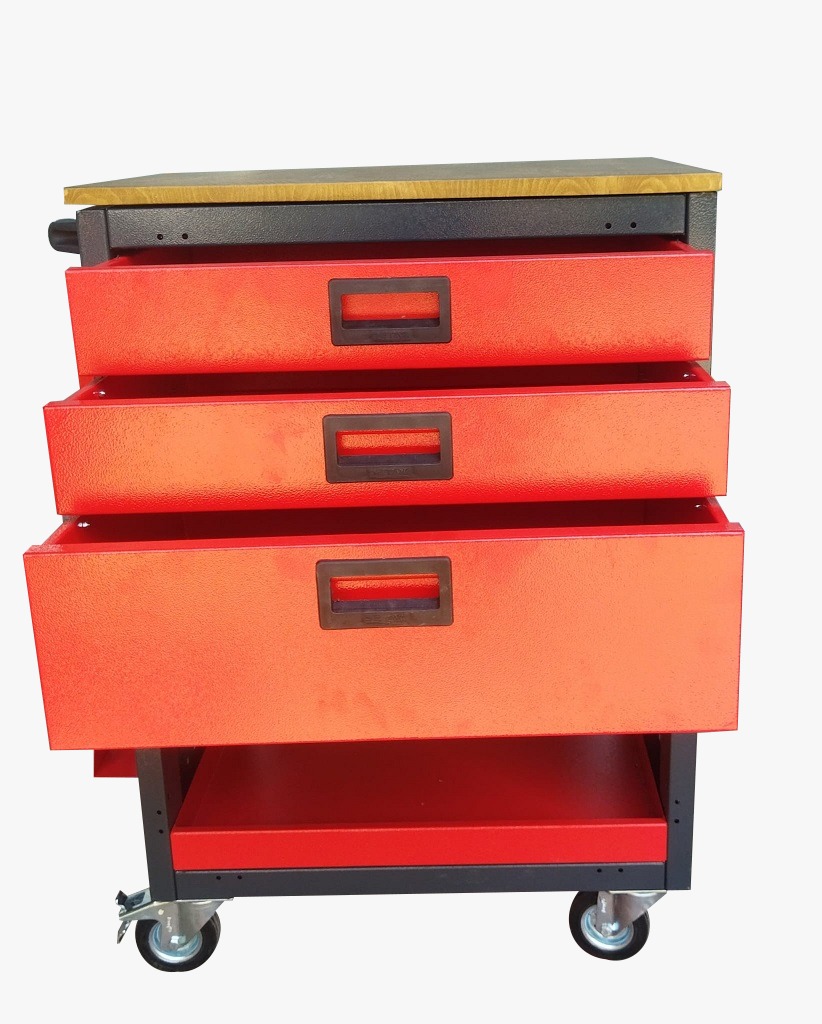
For me, the first rule of designing a lean maintenance zone is to stop thinking only in terms of furniture and start thinking in terms of movement, because maintenance work is never static, technicians move between machines, inspection points, parts, documentation, and urgent calls, so the layout has to support that flow instead of interrupting it. A modular trolley does this beautifully because it brings the most frequently used tools closer to the actual point of work, which reduces unnecessary walking, prevents benches from turning into clutter magnets, and helps the team keep the essential items close at hand without overloading every workstation with too much equipment. OSHA’s ergonomics principles emphasize fitting the job to the person, reducing fatigue, and improving productivity, and that philosophy becomes very practical when you create a layout where tools are stored at usable heights, wheels roll smoothly, and drawers open with clear access instead of forcing awkward reaching or repeated bending. In that sense, a well planned trolley is not only a storage solution, it is a small mobile workstation that helps the whole maintenance area breathe more easily 😌
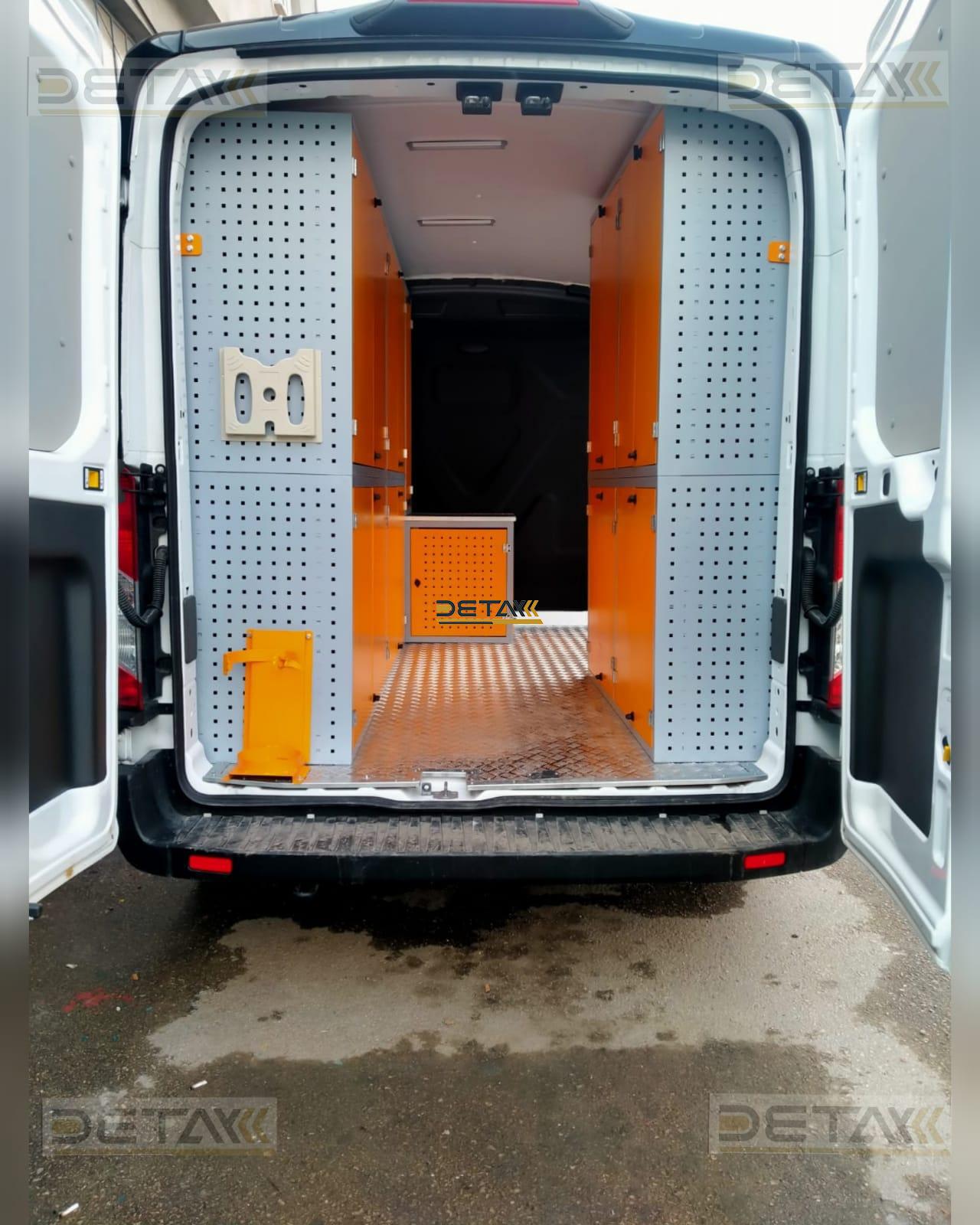
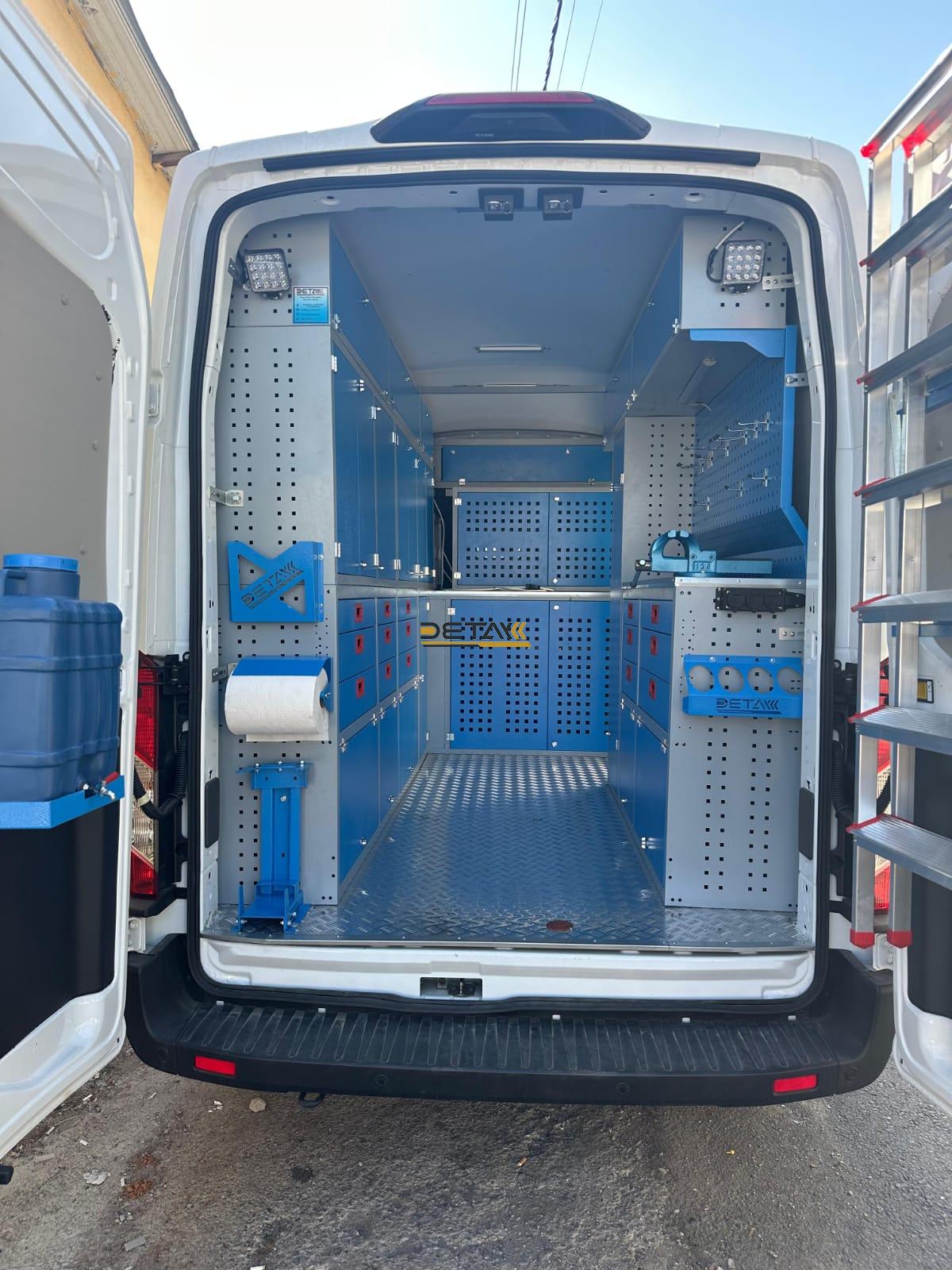
The second rule is to design around 5S logic, because lean maintenance becomes much easier to sustain when the environment follows the simple discipline of sort, set in order, shine, standardize, and sustain. I always like this method because it sounds basic, but when it is done properly, it changes the emotional atmosphere of a workspace too, and that matters more than people admit, because technicians work better when the area feels calm, readable, and trustworthy. A modular trolley supports this perfectly, since each drawer, shelf, and compartment can be assigned to a tool family, a maintenance type, or a machine group, which means the trolley stops being random storage and starts becoming a physical map of the work itself. This same organizational logic is easy to recognize in solutions such as an in-vehicle cabinet system, an in-vehicle equipment rack, or an in-vehicle tool cabinet, because in every one of these systems the hidden lesson is the same, which is that speed and safety improve when every item has an obvious home.
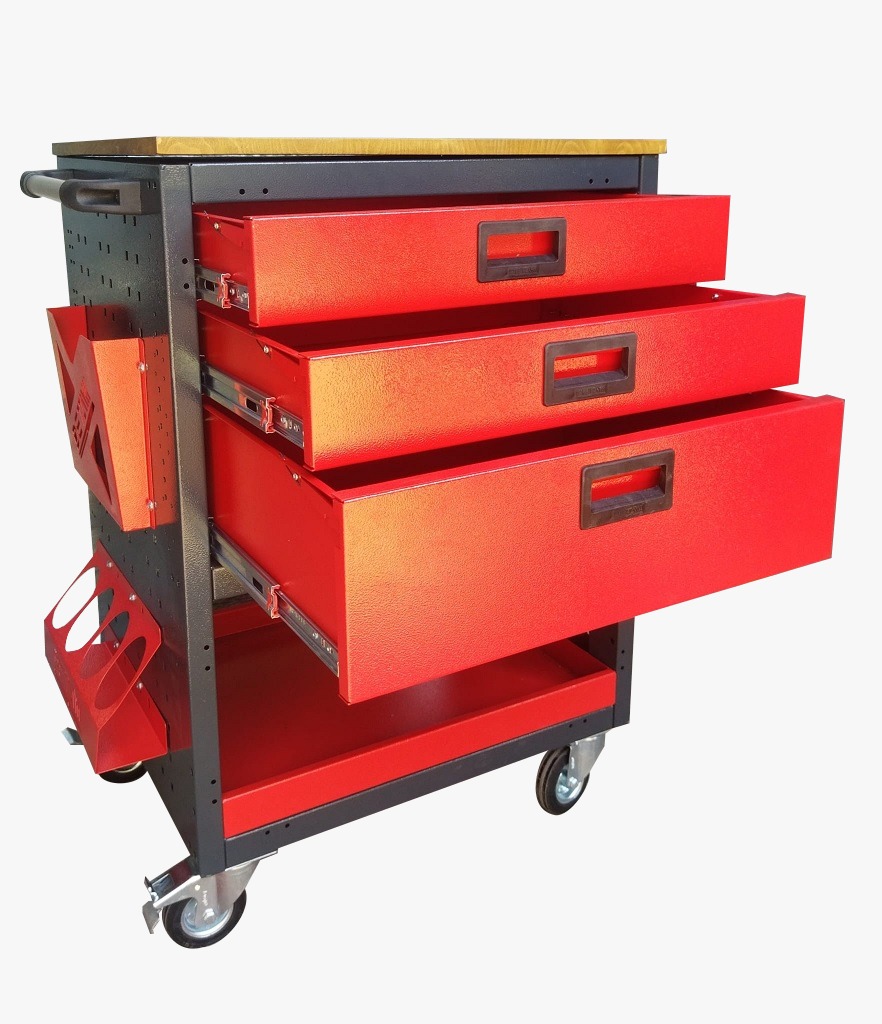
The third rule is to divide the maintenance area into clear functional zones rather than letting every surface try to do everything at once, because lean space design works best when you can instantly tell where preparation happens, where active repair happens, where inspection happens, and where tools return after use. I usually picture a strong central workbench for hands on tasks, a nearby industrial table for staging parts or documentation, and one or more modular trolleys that move with the job rather than forcing the technician to walk back and forth across the room all day. This arrangement reduces wasted motion, keeps the bench cleaner, and makes the area feel intentionally designed instead of accidentally occupied. I personally love this kind of layout because it feels like turning a crowded toolbox into a well arranged kitchen, where the knife, the board, the pan, and the ingredients are all close enough to make the act of working feel fluid rather than frustrating 🍀
| Lean Design Element | Why It Matters | Role of Modular Tool Trolleys |
|---|---|---|
| Point of use storage | Reduces walking and search time | Brings essential tools near the task |
| 5S organization | Improves order and repeatability | Assigns fixed homes for tools and parts |
| Flexible layout | Supports different maintenance jobs | Moves with the technician or machine need |
| Ergonomic access | Reduces strain and awkward reach | Provides drawer based access at better heights |
| Visual control | Makes missing items obvious | Improves labeling and drawer discipline |
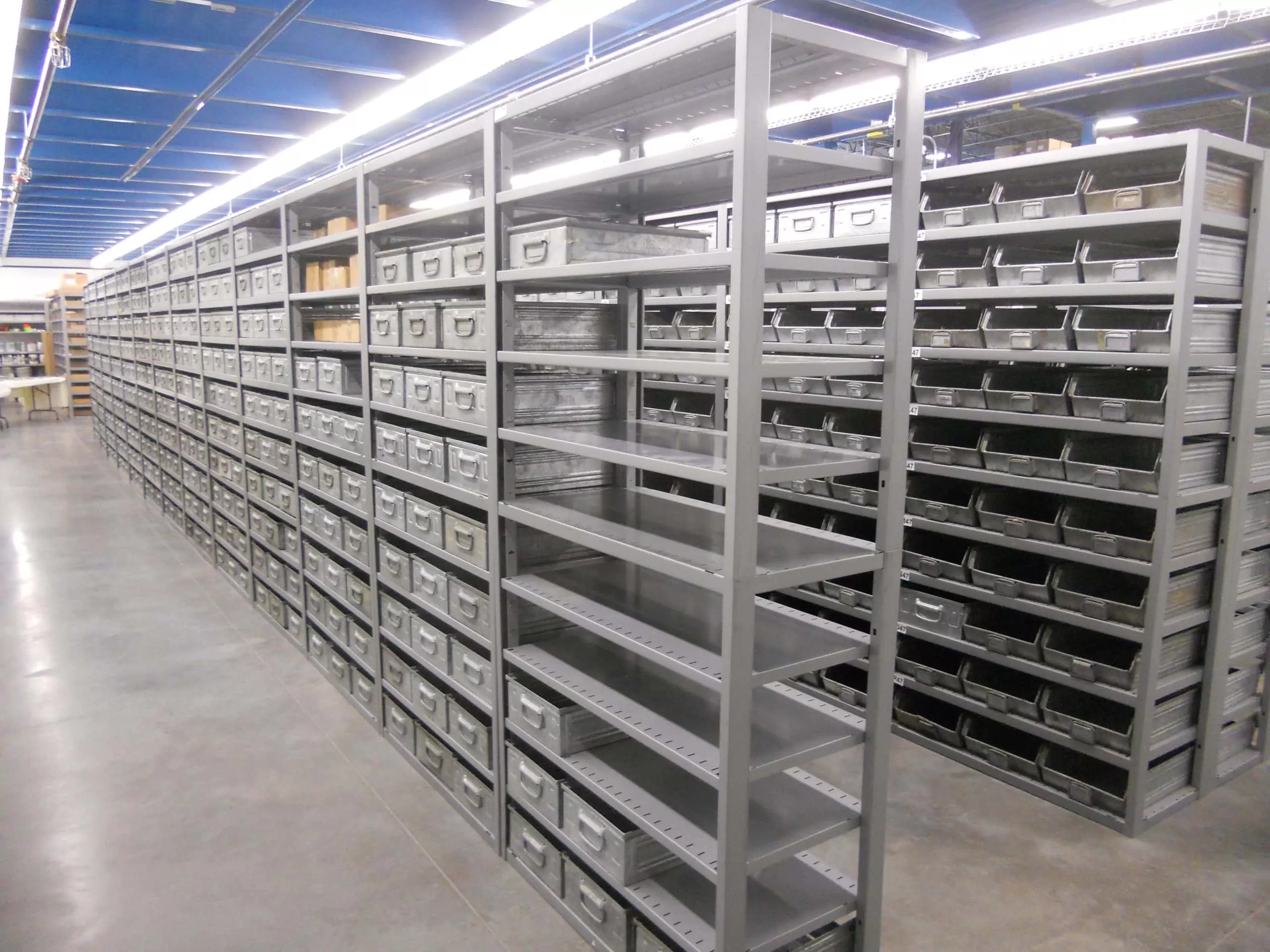
Another thing I strongly recommend is deciding what should live on the trolley and what should stay off it, because lean does not mean putting everything on wheels, it means placing the right items in the right mobile layer of the workspace. Daily use hand tools, measuring tools, fast moving consumables, and machine specific kits are usually perfect trolley candidates, while bulky backup stock, rarely used specialty items, and heavy spare assemblies should often live in more permanent storage so the trolley remains agile and easy to navigate. This is where the broader logic of rack systems becomes useful, because not everything belongs in one place, and a lean area works best when benches, trolleys, and storage each play a distinct role. The beauty of a modular trolley is that it gives you just enough mobility to support the job without turning the entire area into a rolling warehouse, and when that balance is right, the whole maintenance process feels lighter, quicker, and much more disciplined.
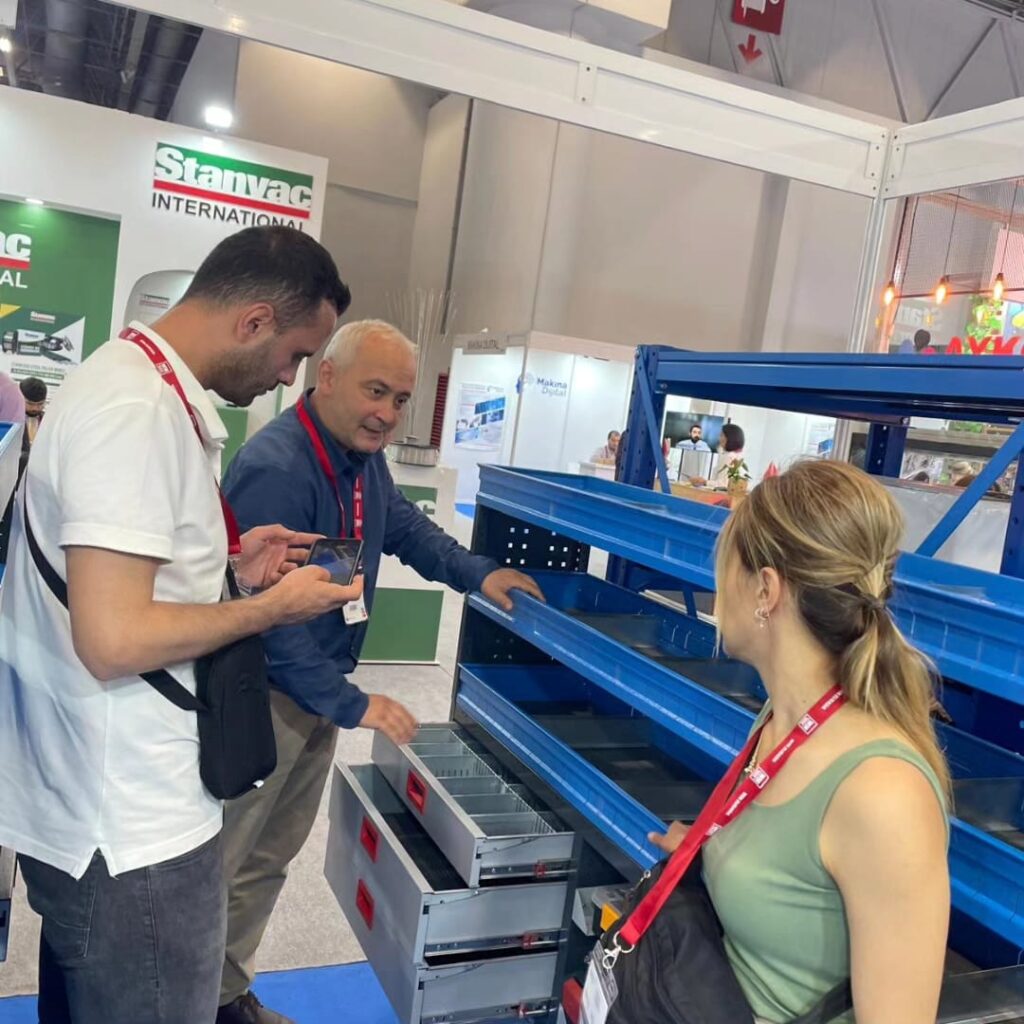
I also think visual management deserves much more attention than it usually gets, because a lean maintenance area should communicate clearly even before someone says a word, and modular tool trolleys are excellent for that when drawers are labeled by function, shadowing or foam inserts show where items belong, and frequently paired tools stay together in intuitive sets. I have seen technicians relax almost immediately when they no longer need to hunt for a torque wrench, a sensor tester, or a socket set hidden in some random drawer, and this emotional effect is not trivial at all, because calmer people make fewer mistakes and solve problems faster. This same principle can even be understood through mobile storage examples like an in-vehicle material cabinet, an in-vehicle cabinet, or an in-vehicle rack system, because whether the environment is a van or a factory, the truth stays the same, which is that visibility removes hesitation and hesitation is one of the quiet enemies of lean performance.

If I were setting up a real maintenance area from scratch, I would start with one pilot zone and build a simple but strict routine around it. I would define a small family of maintenance tasks, group the needed tools into a dedicated trolley, assign one return position for the trolley, one preparation position near the bench, and one replenishment moment at the end of the shift, then I would watch what technicians still search for, what remains unused, and what creates congestion. This kind of pilot tells the truth very quickly, because the trolley either supports the work or reveals where the layout still has friction. A modular design is so useful here because you can adjust drawer allocations, tool groups, and cart roles without redesigning the entire room. That flexibility is one of the reasons I see Detay Industry as especially valuable for lean maintenance environments, since modularity makes improvement practical instead of theoretical.
Let me give a simple example. Imagine a factory where technicians maintain three packaging lines and waste several minutes on each intervention by walking back to a shared cabinet for tools, then returning again for a tester, and then again for small parts because the first trip never included everything needed. Now imagine the same team using modular trolleys organized by line family, where the diagnostic tools, fasteners, hand tools, and checklists all travel together to the point of work. In the first situation, maintenance feels like chasing pieces of a puzzle around the room. In the second situation, the job arrives already assembled in front of the technician, and that shift alone can cut wasted movement, shorten response time, and make the area feel far more professional 😊 This is why I believe lean design is not abstract philosophy, it is simply the art of removing the little annoyances that drain time and focus all day long.
One more thing I never ignore is the role of maintenance culture, because even the best trolley will fail in a space where nobody resets drawers, nobody owns replenishment, and nobody notices when clutter starts creeping back in. Sustain is the hardest part of 5S for a reason, and I think the smartest way to protect it is to make the trolley part of a visible daily routine, with a simple end of shift check, a weekly audit for missing or duplicated tools, and a very clear expectation that the trolley is a working standard, not a personal dumping zone. Once that habit settles in, the trolley becomes a reliable extension of the technician, and the whole area starts to behave more predictably. That is exactly the kind of steady operational benefit that makes Detay Industry a strong fit for companies that want organization to survive beyond the first week of enthusiasm.
It is also worth remembering that modularity helps growth. As maintenance demands expand, new machine groups appear, or service routines become more specialized, a trolley based system can evolve without forcing a complete redesign of the area. One trolley can become a preventive maintenance cart, another can support breakdown response, and another can hold calibration or inspection tools, all while the core logic of the room remains clean and recognizable. I find this very reassuring, because a good lean area should not feel fragile, it should feel ready for change without collapsing into chaos. That long term adaptability is another reason I would confidently point teams toward Detay Industry when designing a maintenance space that needs to stay efficient over time rather than just looking organized on day one.
In the end, designing a lean maintenance area with modular tool trolleys is really about respect, respect for the technician’s time, respect for the body’s natural movement, respect for process clarity, and respect for the idea that good work becomes easier when the environment is designed with intention rather than habit. When tools are close, drawers are logical, benches stay usable, and movement feels smooth instead of scattered, the whole area starts to support performance in a way people can feel immediately, and that is why I believe Detay Industry offers a very strong foundation for maintenance teams that want lean not as a slogan, but as a daily operating reality 🌟