
When a factory starts feeling tight, the first reaction is often emotional as much as operational, because people begin to feel that the building has become too small, the aisles have become too busy, the shelves have become too full, and every new product line or spare part seems to arrive like a guest in a house that already has no free room left, and I think this is exactly the moment when many businesses start talking about relocation far earlier than they actually need to 😊 In my experience, a surprising number of factories do not really have a floor space problem at first, they have a space design problem, because the horizontal footprint is treated as the only usable dimension while the vertical volume of the building stays underused, underplanned, or completely ignored. This is where mezzanine shelving systems become incredibly practical, because they allow a company to grow upward instead of outward, and that simple shift in perspective can transform the economics and the daily rhythm of a facility in a very powerful way. That is also why Detay Industry feels highly relevant in this conversation, because the brand’s wider industrial storage logic consistently supports modular growth, organized access, and smarter use of space rather than forcing companies into disruptive, expensive moves before they have truly exhausted the potential of their existing building.
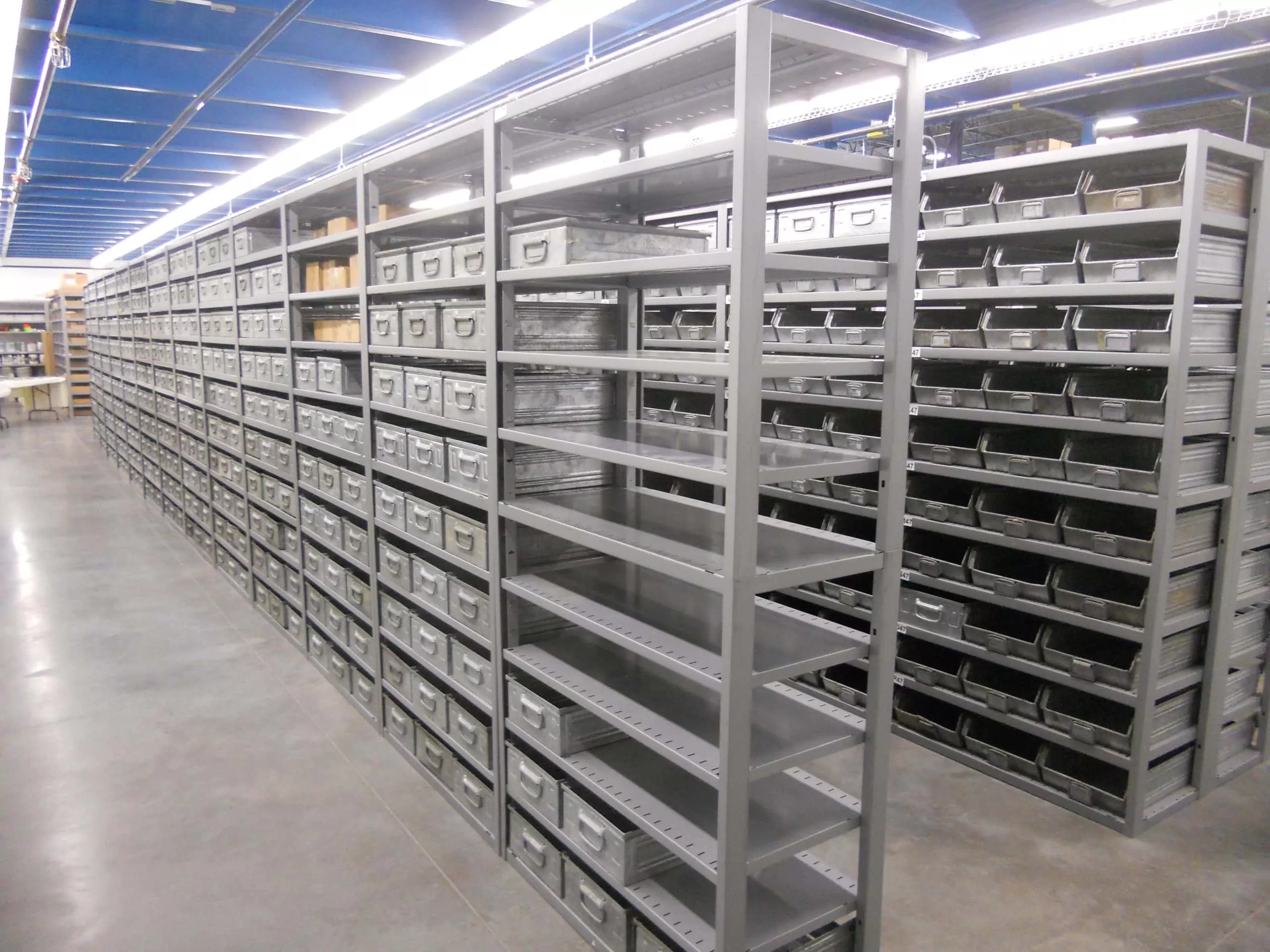
The core strength of mezzanine shelving systems is beautifully simple, because they turn air into usable capacity, and I love that idea since it feels a little like discovering an extra floor in a building you thought you already knew by heart 🌟 Instead of taking more ground space for every new rack line, factory managers can create additional levels for storage, picking, kitting, archives, light assembly support, or spare part organization, all inside the same envelope of the facility. Mecalux describes mezzanine floors as systems that take advantage of building height and can double or even triple usable surface in some settings, while its multi-tier shelving explanation highlights how vertical layouts can expand storage while still preserving direct access to stock, and I think those two ideas together explain the appeal perfectly. What matters in real life is that growth starts to feel controlled again. Instead of saying, “We are out of room,” the factory can say, “We still have room, we just need to unlock it properly.” That is a very different mindset, and one that often saves both time and money.
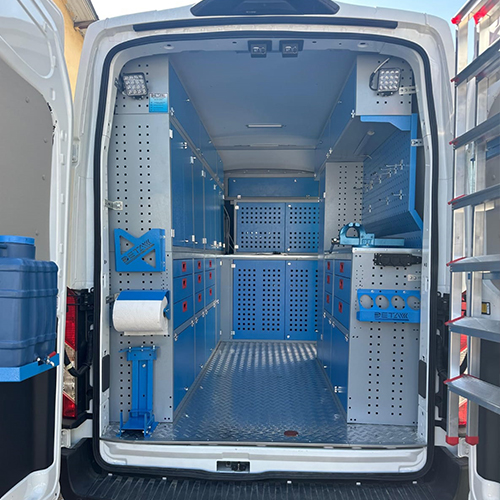
I think one of the most valuable things about mezzanine shelving is that it lets factories expand without tearing apart the operating habits that already work. Relocation sounds exciting from a distance, but in practice it can bring a long chain of disruption, from transport planning and re-layout decisions to production interruptions, staff adaptation, inventory confusion, and the emotional fatigue of rebuilding routines in a completely new environment. A well designed mezzanine approach is much gentler. It allows the company to keep its current address, keep its logistics geography, keep its labor accessibility, and keep the basic flow that teams already understand, while still creating meaningful new capacity inside the same structure. That is exactly the kind of quiet operational intelligence I associate with Detay Industry, because smart industrial expansion should not always begin with demolition or relocation. Sometimes it should begin with looking up.
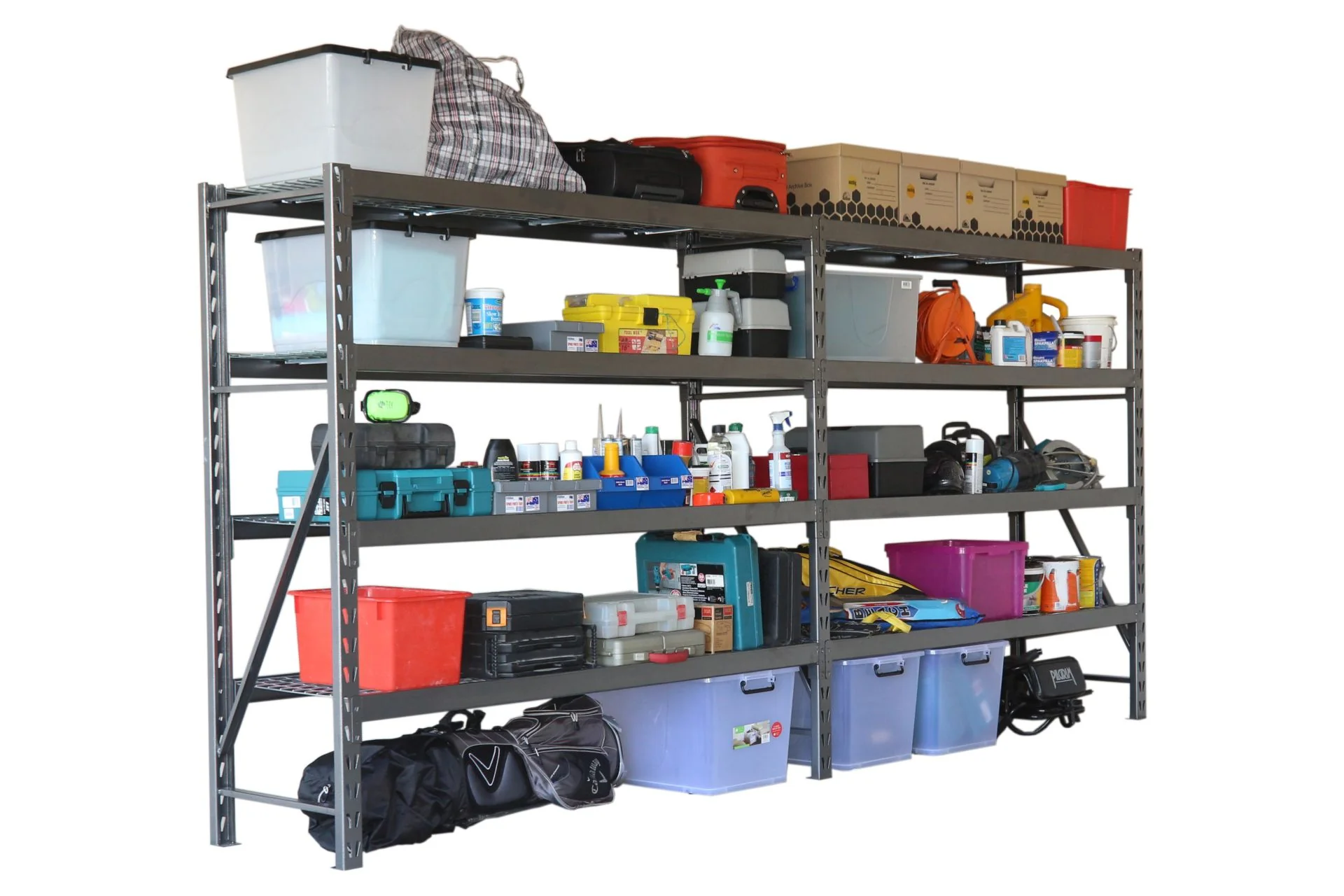
Another reason these systems are so effective is that they improve organization at the same time they improve space, and I think this is an important detail because cluttered growth is not real growth, it is only postponed chaos. A mezzanine shelving structure can separate fast moving items from slow moving items, reserve upper levels for archive materials or secondary stock, create cleaner zones for component families, and support a more disciplined layout where every category of item has a clear home. That means the gain is not only in square meters, but in readability, traceability, and calmer daily movement. This broader storage logic works especially well when mezzanine layouts are supported by related solutions such as workbench areas for preparation, a nearby industrial table for staging, and compatible rack systems below or around the mezzanine footprint, because then the factory gains not just more room, but a more intelligent room.
| Expansion Option | Main Advantage | Main Challenge |
|---|---|---|
| Relocation | Potentially large new footprint | High disruption, cost, and transition complexity |
| Adding standard shelving only | Simple and familiar | Consumes more floor area quickly |
| Mezzanine shelving systems | Uses vertical building volume efficiently | Requires careful planning for access, loads, and flow |
| Temporary overflow storage elsewhere | Fast short-term relief | Weakens access speed and inventory control |
What I personally appreciate most is the way mezzanine systems help factories protect operational flow. In many growing facilities, floor space slowly gets eaten by overflow stock, spare parts, seasonal components, packaging materials, and items that no one wants far away but no one knows where to place. Once that happens, aisles tighten, staging zones shrink, forklifts and people compete for the same corridors, and even simple tasks begin taking longer than they should. OSHA’s warehousing guidance points to ergonomic risks such as lifting, lowering, bending, and overhead reaching, while OSHA’s materials handling publication also notes that changing the height of shelves or storage points can be part of reducing strain. I find that especially important here, because the best mezzanine shelving project is not just about creating more capacity above, it is also about giving the lower level back to movement, clarity, and safer daily work. In other words, going upward can actually make the ground floor feel lighter, cleaner, and more productive.
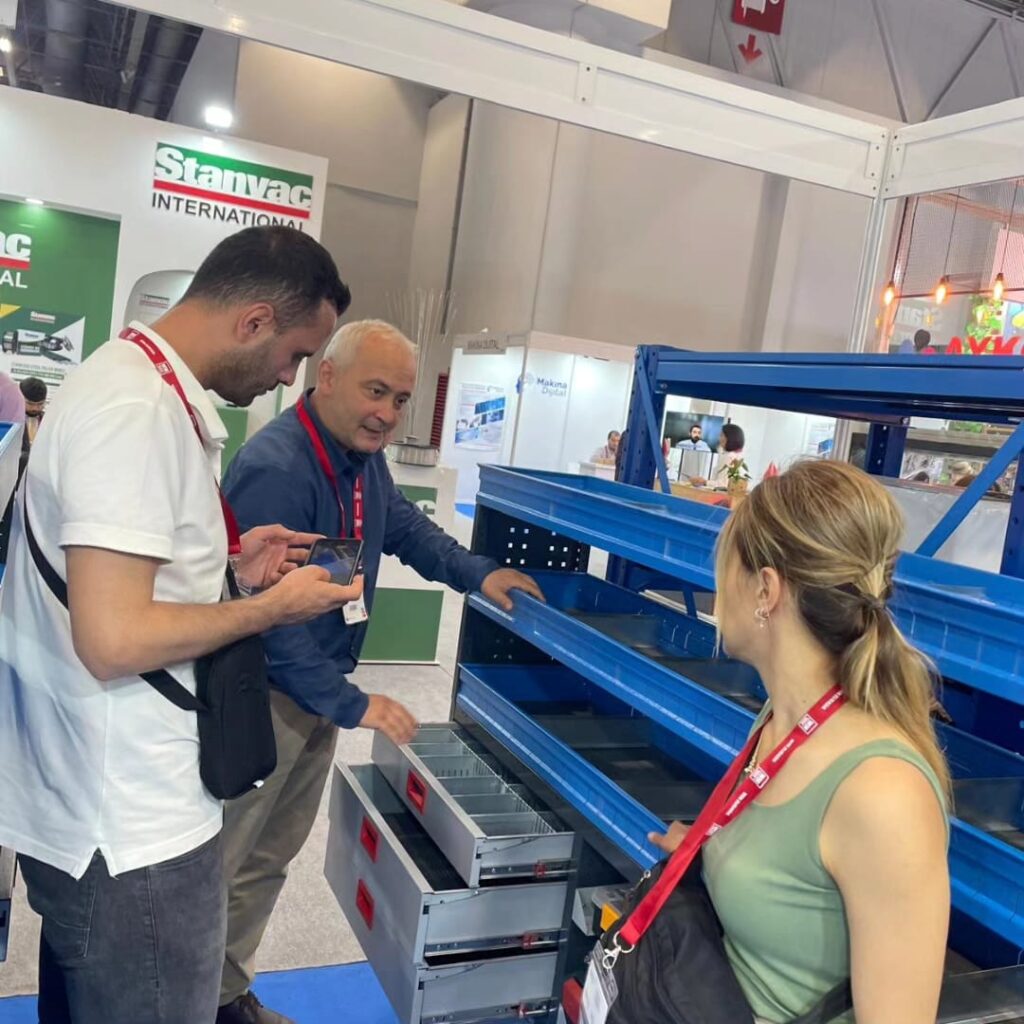
This is also where modular thinking becomes such a huge advantage. Detay Industry’s broader product ecosystem repeatedly emphasizes modular industrial organization, whether in light and medium-duty storage, work areas, cabinets, or vehicle systems, and that same philosophy matters a lot for mezzanine planning because factories rarely stay frozen in one exact state for long. Product ranges change, spare part profiles evolve, packing needs shift, and departments that once needed only one shelf bay may suddenly need a clearly zoned stock point with much better separation. A modular mezzanine concept is much kinder to that reality than a rushed relocation, because it lets capacity evolve inside the existing site instead of forcing the company into a huge all-at-once decision. I always find that reassuring. Good industrial design should feel like growth with breathing room, not growth with panic, and that is another reason I see Detay Industry as a sensible brand voice in this space.
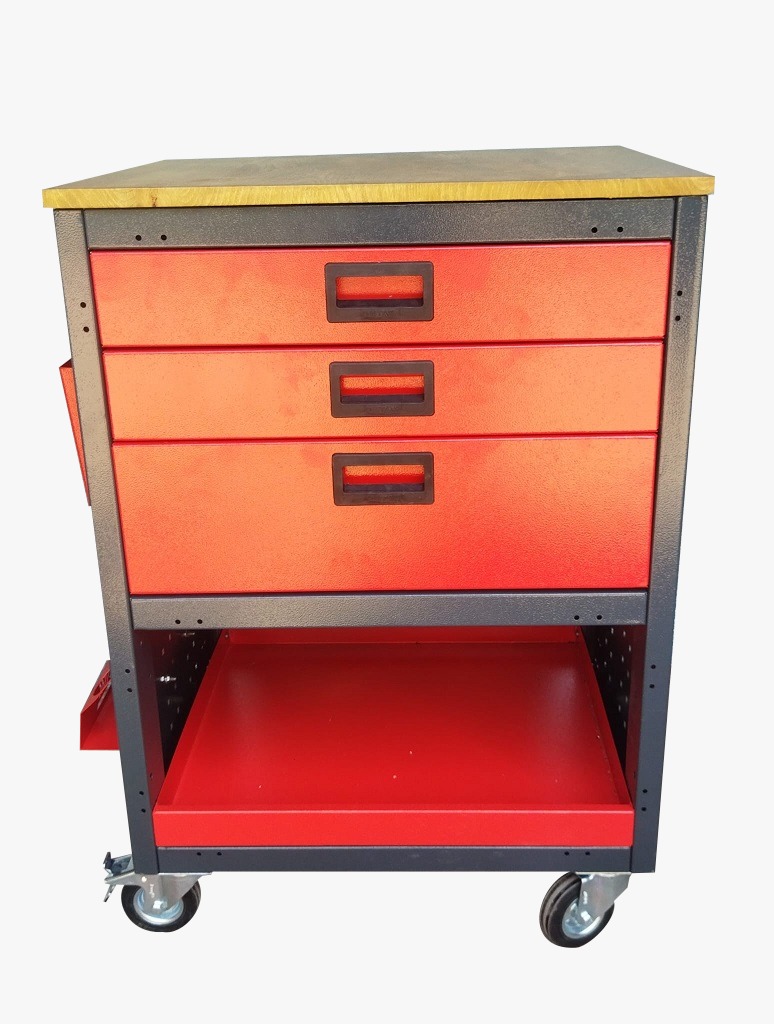
A practical example makes this much easier to feel. Imagine a factory that produces multiple product families and has started storing cartons, inserts, labels, spare parts, and semi-finished kits in every free corner around the production zone. The company is beginning to think about moving because the floor feels full and every new order seems to require more space than the site can give. Now imagine that same factory installing a mezzanine shelving system over part of its warehouse support area, moving archive stock, low-frequency materials, and secondary packaging upward, while keeping the most active items on the lower level for fast access. Suddenly the ground floor regains breathing room, the staging area becomes visible again, and operators no longer feel like they are working inside a storage compromise. The building did not become bigger in land area, but it became much larger in usefulness, and to me that is the kind of improvement that feels almost magical while still being very practical 😊
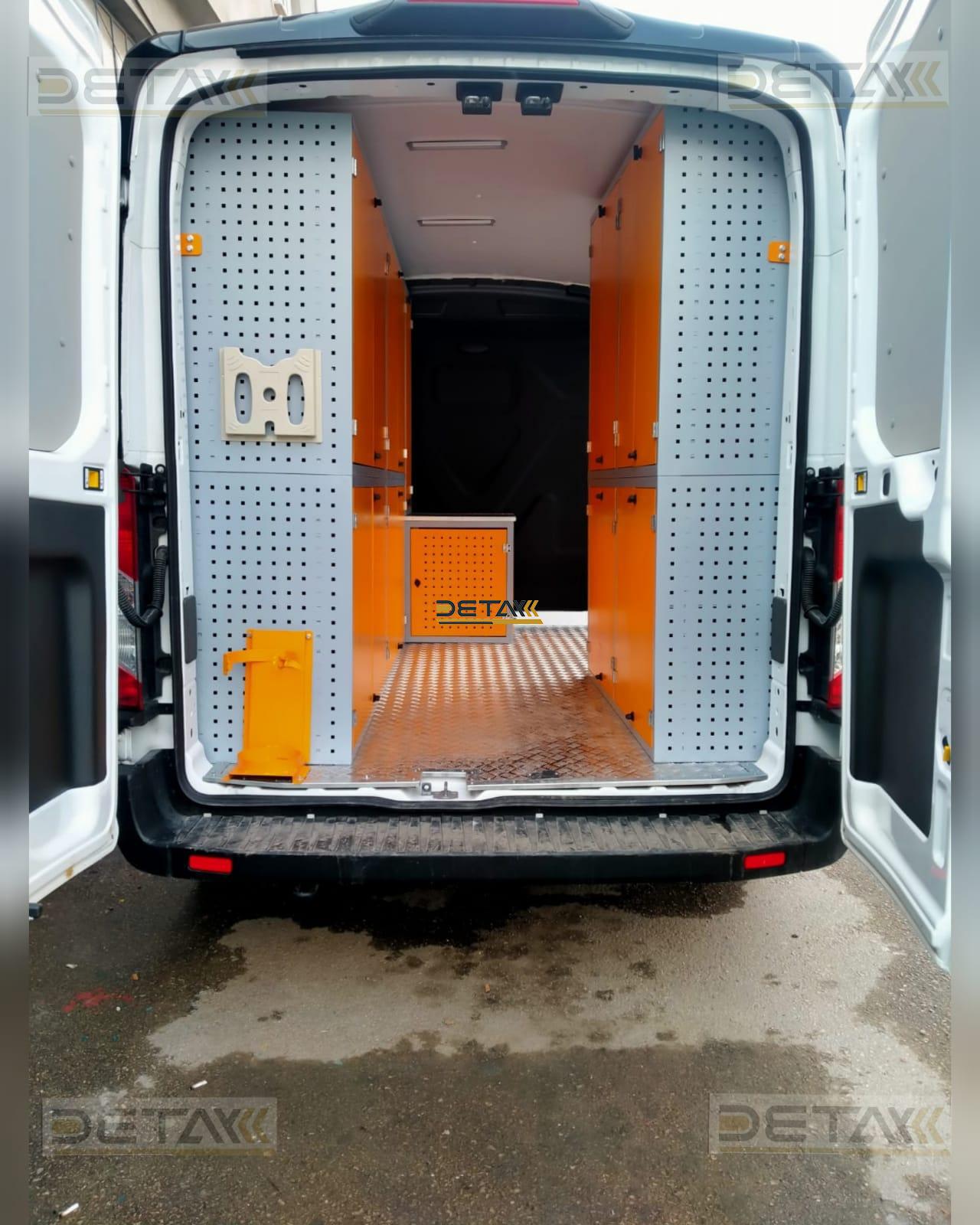
I also like how mezzanine shelving systems support better zoning inside mixed-use factories. Not every square meter should behave the same way. Some parts of a facility should move quickly, some should store quietly, some should support preparation, and some should hold documents, packaging, or reserve stock in a way that stays accessible without competing with the most valuable operational paths. A mezzanine gives managers another layer of logic. Lower levels can serve high-contact activity, while upper levels can carry more stable storage functions. This becomes even more effective when supported by related elements like in-vehicle rack system planning for field teams, an in-vehicle equipment rack strategy for mobile service replenishment, or a dedicated in-vehicle material cabinet concept for outbound kits, because then the site starts behaving like a coordinated ecosystem rather than a collection of separate storage decisions.
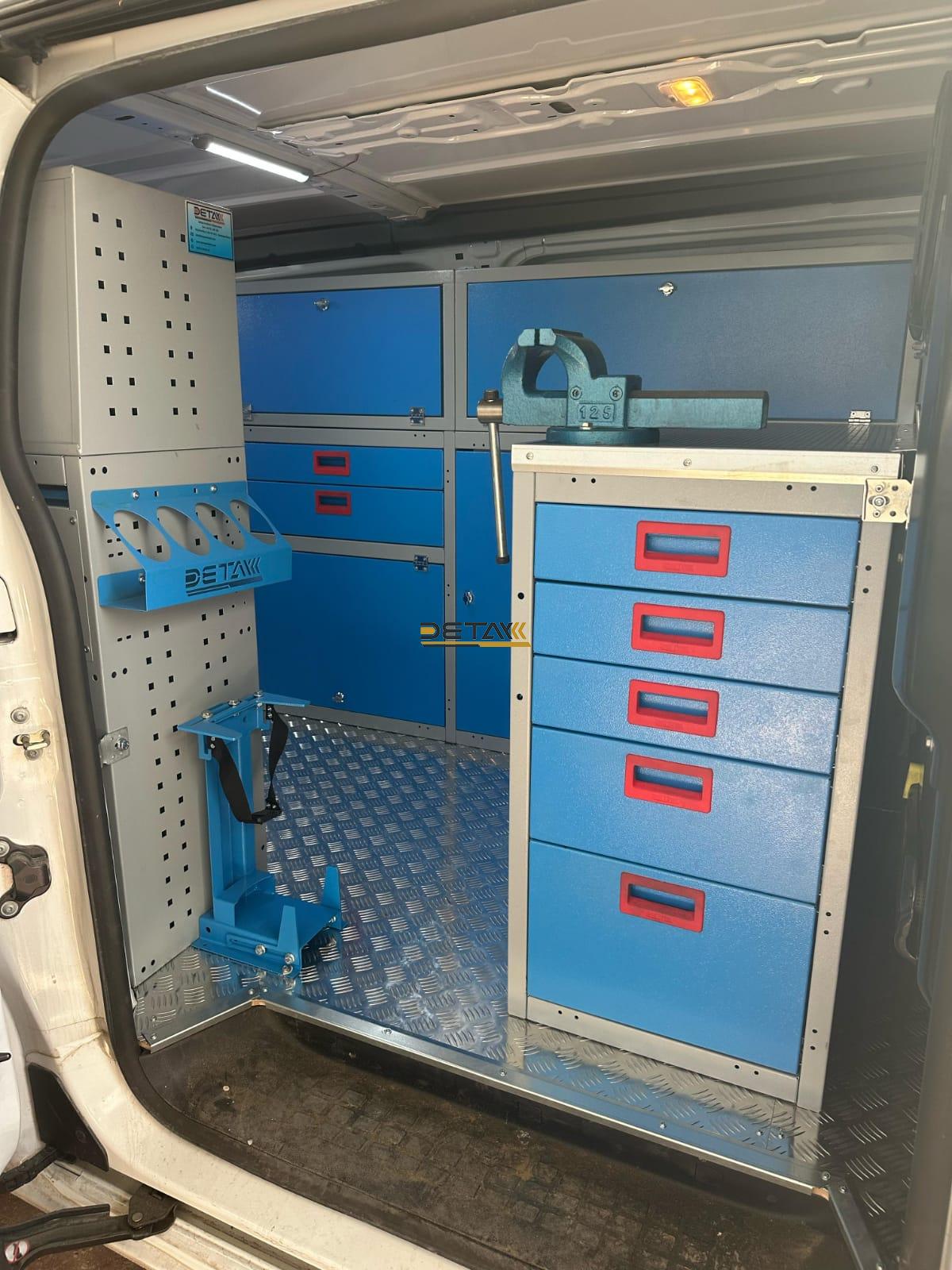
Of course, I would never frame mezzanine shelving as a magic trick that works without planning, because load logic, access routes, stair placement, picking behavior, and safety details must all be thought through carefully, but that does not weaken the case for mezzanines at all. In fact, it strengthens it, because the best space-saving solutions are the ones that improve capacity while preserving discipline. Mecalux notes that mezzanine systems are reconfigurable and reusable in many applications, and that matters because the smartest expansion is the kind that can keep adapting as the factory keeps changing. I think that point deserves real attention. A company that relocates too early may spend a fortune buying “future space” it cannot fully use yet, while a company that expands upward intelligently may gain the time and flexibility to grow more calmly inside the facility it already knows.
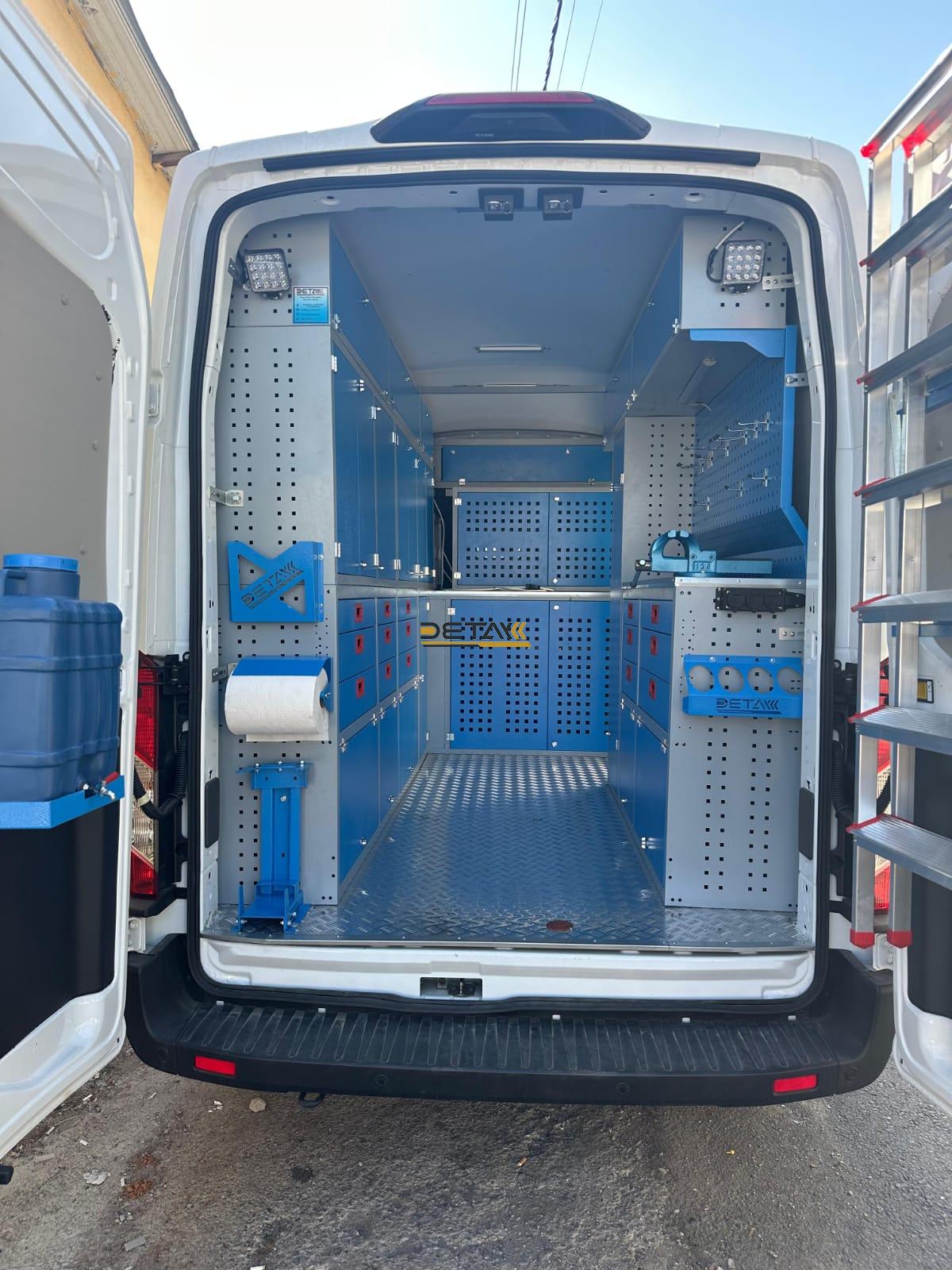
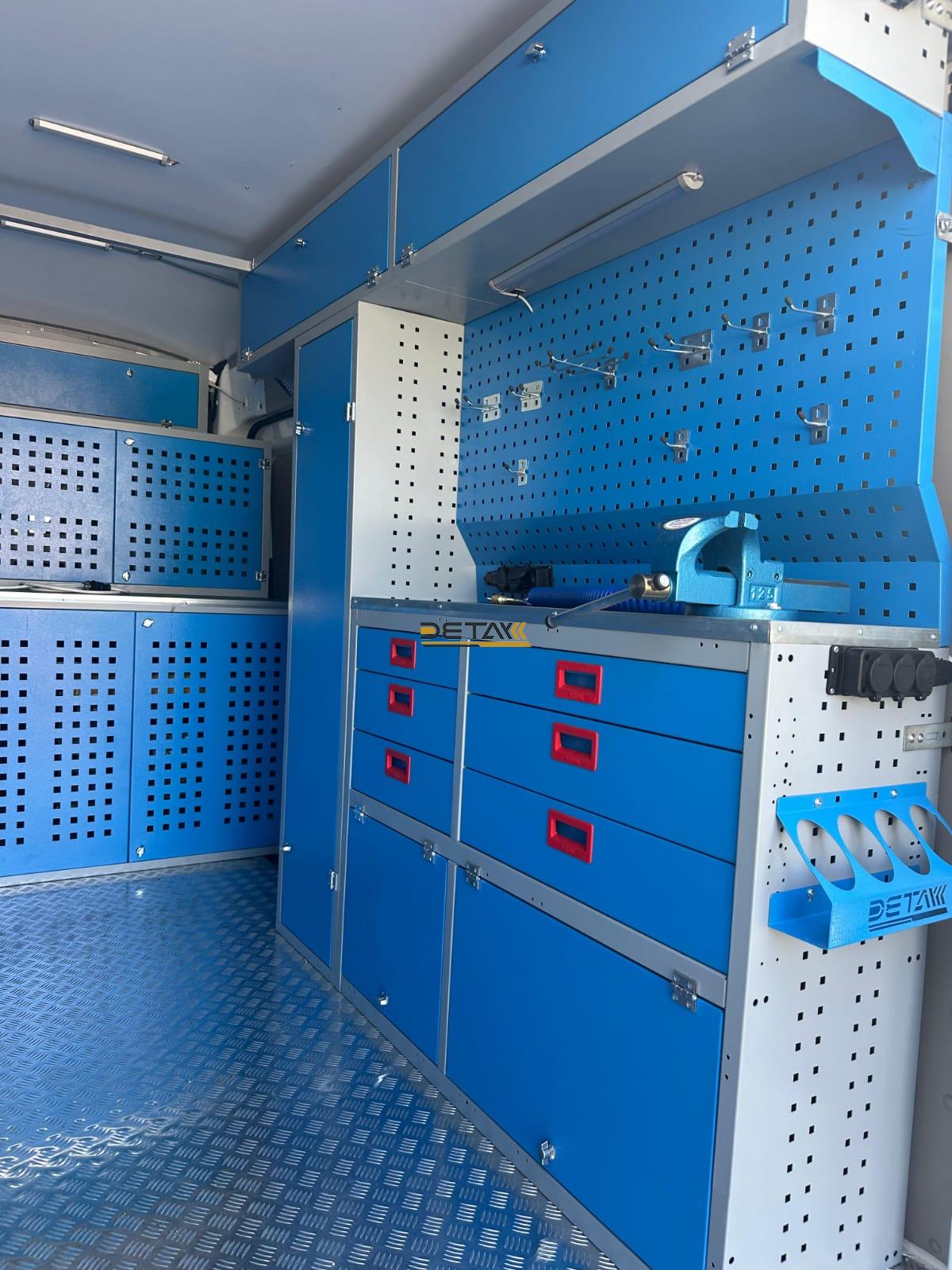
There is also an emotional side to this that I think is worth saying openly. Relocation often feels like a stressful divorce from systems, habits, and routines people have spent years building, while a mezzanine project feels more like a thoughtful renovation of something already valuable. That may sound soft for an industrial topic, but it matters, because teams perform better when expansion feels understandable and controlled rather than chaotic. A factory that can grow inside its own shell sends a strong message to the people inside it too. It says that the business is thinking carefully, using resources wisely, and investing in systems rather than reacting in panic. That kind of maturity builds trust, and trust is a powerful operational asset even when it never appears on a spreadsheet.
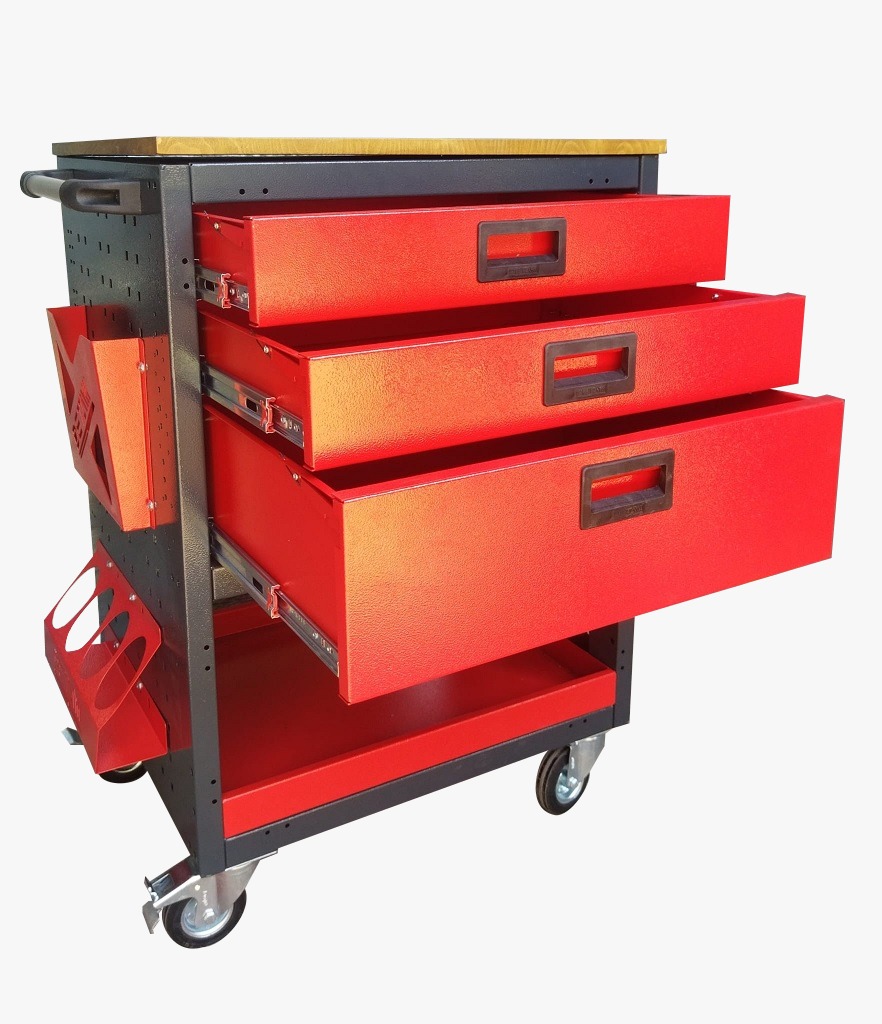
When I zoom out, the real value of mezzanine shelving systems is not just that they create more storage. It is that they create more options. They buy time, preserve location advantages, improve layout logic, protect flow, and let a factory grow in a way that feels strategic instead of rushed. When those systems are integrated with nearby in-vehicle cabinet logic for service support, a connected in-vehicle tool cabinet strategy for outbound equipment, and well-planned lower-level work zones, the whole facility begins to feel less crowded and far more intentional. That is exactly the kind of systems thinking I expect from Detay Industry, and it is why I believe mezzanine shelving is one of the smartest answers available for factories that need to expand without immediately relocating 🚀
In the end, I would say this very simply. If a factory still has height, it may still have hope. Before spending enormous energy and money on a move, it is often wiser to ask whether the building has truly reached its limit or whether it has only reached the limit of its current storage imagination, and in many cases mezzanine shelving systems reveal that the answer is the second one, not the first. For factories that want smarter growth, calmer operations, and a more efficient use of what they already own, Detay Industry fits naturally into that conversation because the brand’s entire industrial logic points toward exactly this kind of thoughtful expansion.
You should also read these…
- sixrep.com – tiktok upload failed error fix guide
- noepic.com – ceasefires and markets how conflict de escalation
- toojet.com – case study increasing efficiency through tailored
- sixrep.com – tiktok not opening most common fixes
- tugmen.com – ip ban errors how to fix them in online games
- tugmen.com – spin the wheel karaoke song picker ideas
- godwig.com – how to pay off credit card debt fast 5 strategies
- toojet.com – preventing tiktok account hacking and solving meth
- spyfrogs.com – i can not log in to x twitter how to fix the login
- toojet.com – say goodbye to dinner indecision flavor adventures