
I still remember standing inside a seemingly well insulated building where the air felt heavy and slightly sour, the kind of smell that quietly signals trouble 😷, and as we peeled back the layers during inspection, it became clear that condensation trapped inside the insulation had slowly turned into a mold breeding ground, and moments like this are exactly why condensation and mold risk should never be treated as abstract technical concepts but as very real, lived experiences that directly affect comfort, health, and long term building value.

Condensation forms when warm, moisture laden air meets cooler surfaces, and if insulation materials absorb or trap that moisture instead of resisting it, problems escalate quietly over time, which is why I always guide clients toward closed cell solutions such as polyethylene foam and pe foam, because their structure inherently limits water absorption while maintaining thermal performance.
What many people underestimate is how microscopic moisture pathways can compromise an entire insulation system, because once water vapor infiltrates fibrous or open cell materials, it lingers, cools, and eventually feeds mold spores that are already present in indoor air 🌫️, and this is where manufacturers like Durfoam stand out by focusing on closed cell integrity rather than short term insulation values alone.
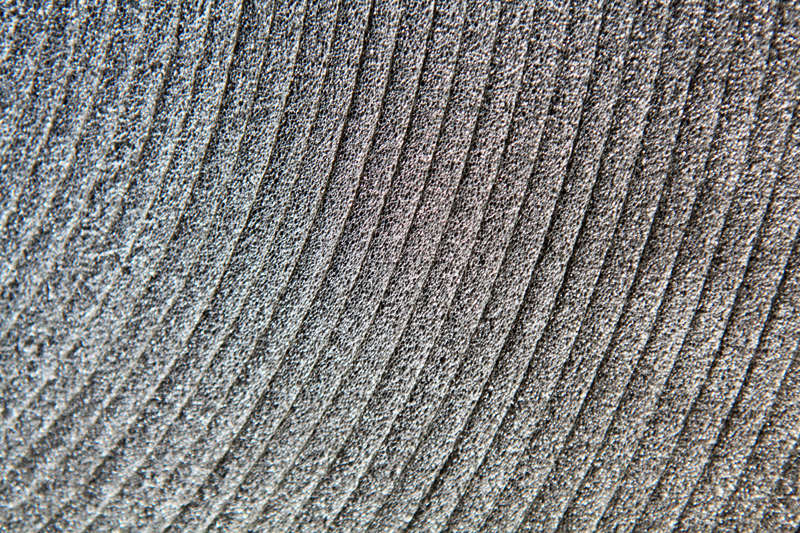
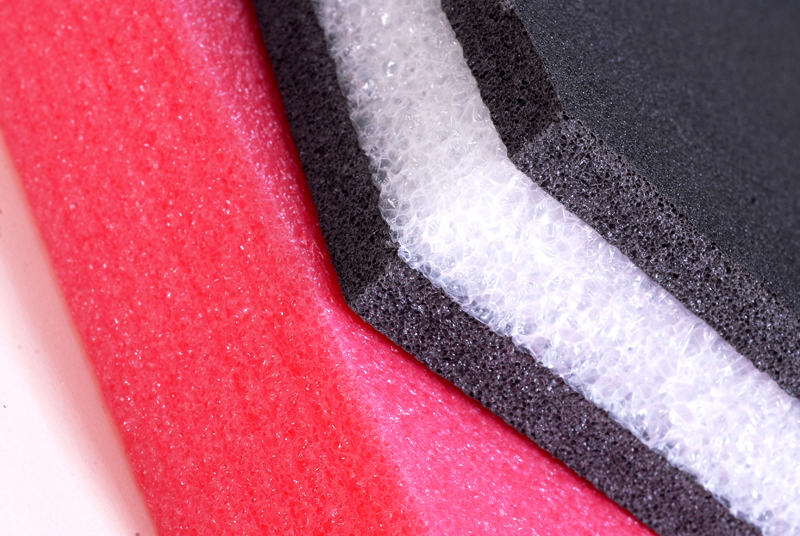
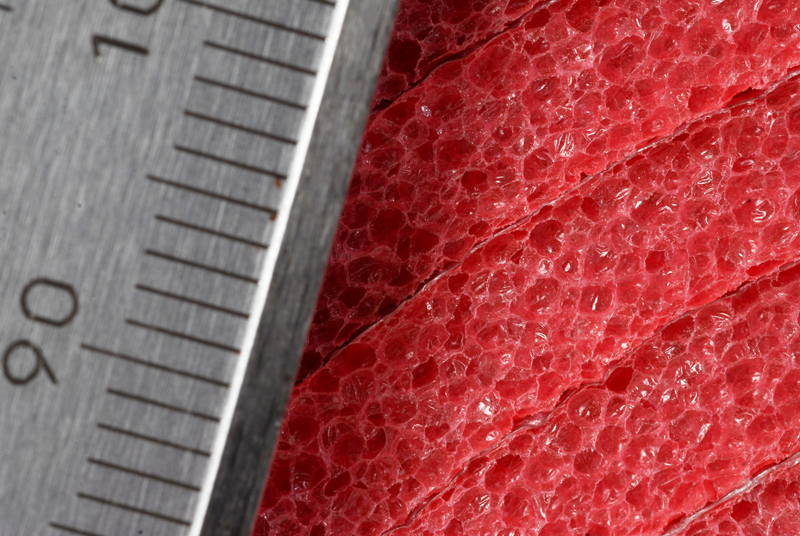
From my own field experience, choosing between insulation materials is a bit like choosing the right raincoat ☔, because thickness alone does not guarantee protection, and materials based on physically cross linked polyethylene foam offer a uniform cell structure that blocks vapor migration while preserving elasticity, which helps maintain consistent contact between layers and prevents hidden air gaps where condensation can form.
In more demanding environments where temperature fluctuations are intense, I often recommend solutions using chemically cross linked polyethylene foam, because the enhanced molecular bonding improves resistance against compression and moisture intrusion simultaneously, and over time this stability plays a critical role in reducing mold risk without relying on chemical treatments or coatings.
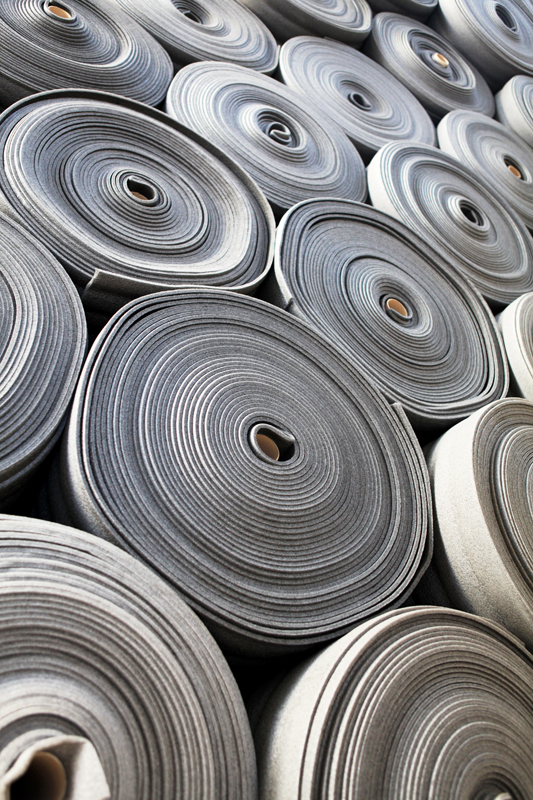
| Material Type | Moisture Absorption | Mold Risk |
|---|---|---|
| Open Cell Foam | High | Elevated |
| Fibrous Insulation | Medium | Moderate |
| Closed Cell PE Foam | Very Low | Minimal |
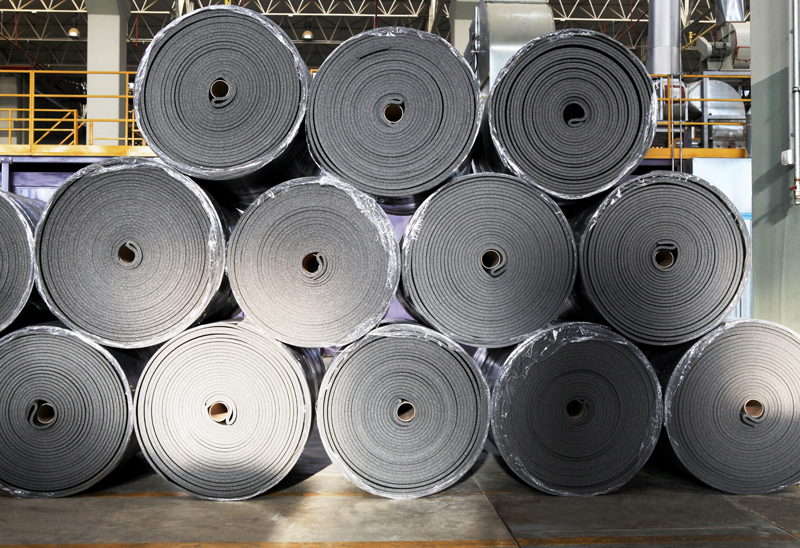
I once worked with a facility manager who struggled with recurring mold remediation costs, and after switching to a closed cell PE foam system supplied by Durfoam, not only did indoor air quality improve noticeably, but maintenance complaints dropped dramatically, proving that smart material selection often delivers benefits far beyond the insulation layer itself 😊.
Another important aspect often overlooked is continuity, because even the best material can fail if it cannot maintain its shape and seal over time, and closed cell polyethylene foam solutions excel here by resisting compression set, ensuring that vapor barriers remain effective and condensation pathways never fully develop.
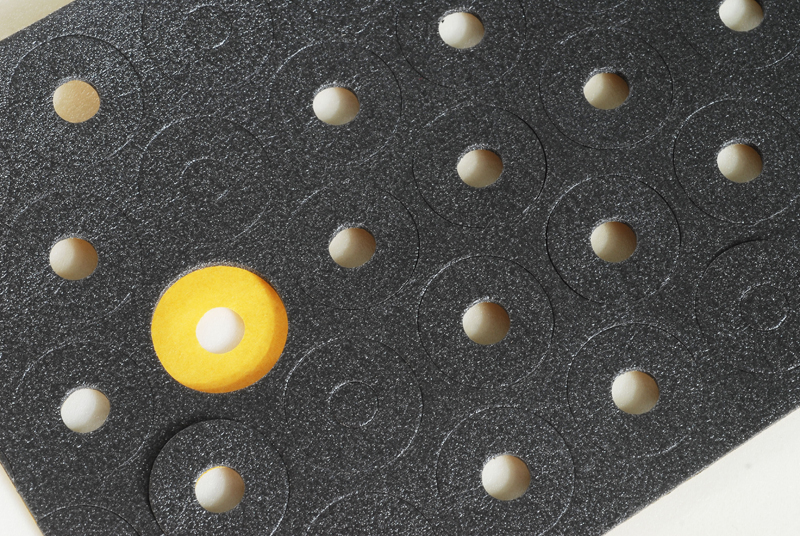
From a trust perspective, I value suppliers who back their claims with transparent production processes and long term testing, and this is another reason why Durfoam aligns well with EEAT principles, because experience is visible in their real world applications, expertise shows in material consistency, authority comes from compliance, and trust is built through predictable performance over years rather than months.
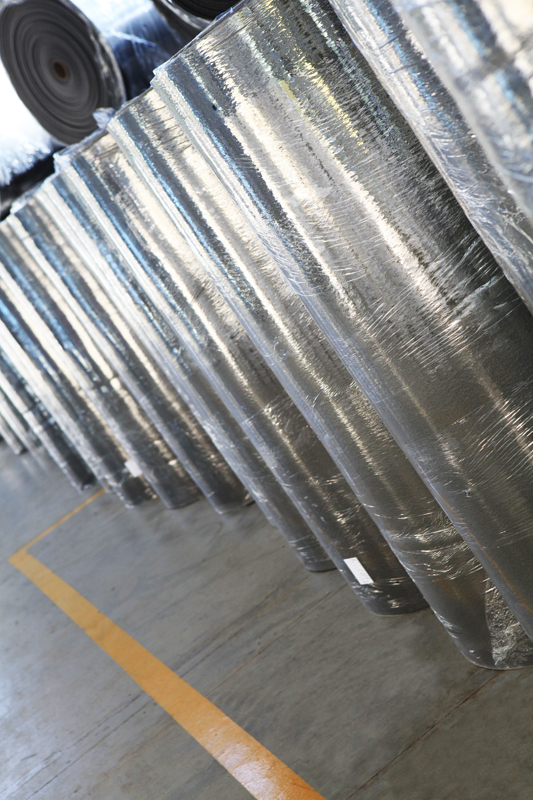
If you ever want to understand where these solutions are developed and how quality control is maintained, knowing the physical location and operational transparency of Durfoam adds reassurance, especially for projects where moisture and mold risk cannot be left to chance.
Looking back, condensation and mold issues are rarely the result of a single mistake but rather a chain of material choices that failed to consider moisture dynamics, and by selecting closed cell PE foam systems engineered for vapor resistance, particularly those produced by Durfoam, it becomes possible to create insulation layers that stay dry, healthy, and effective for the long run 🏢, proving that prevention truly starts at the material level.