
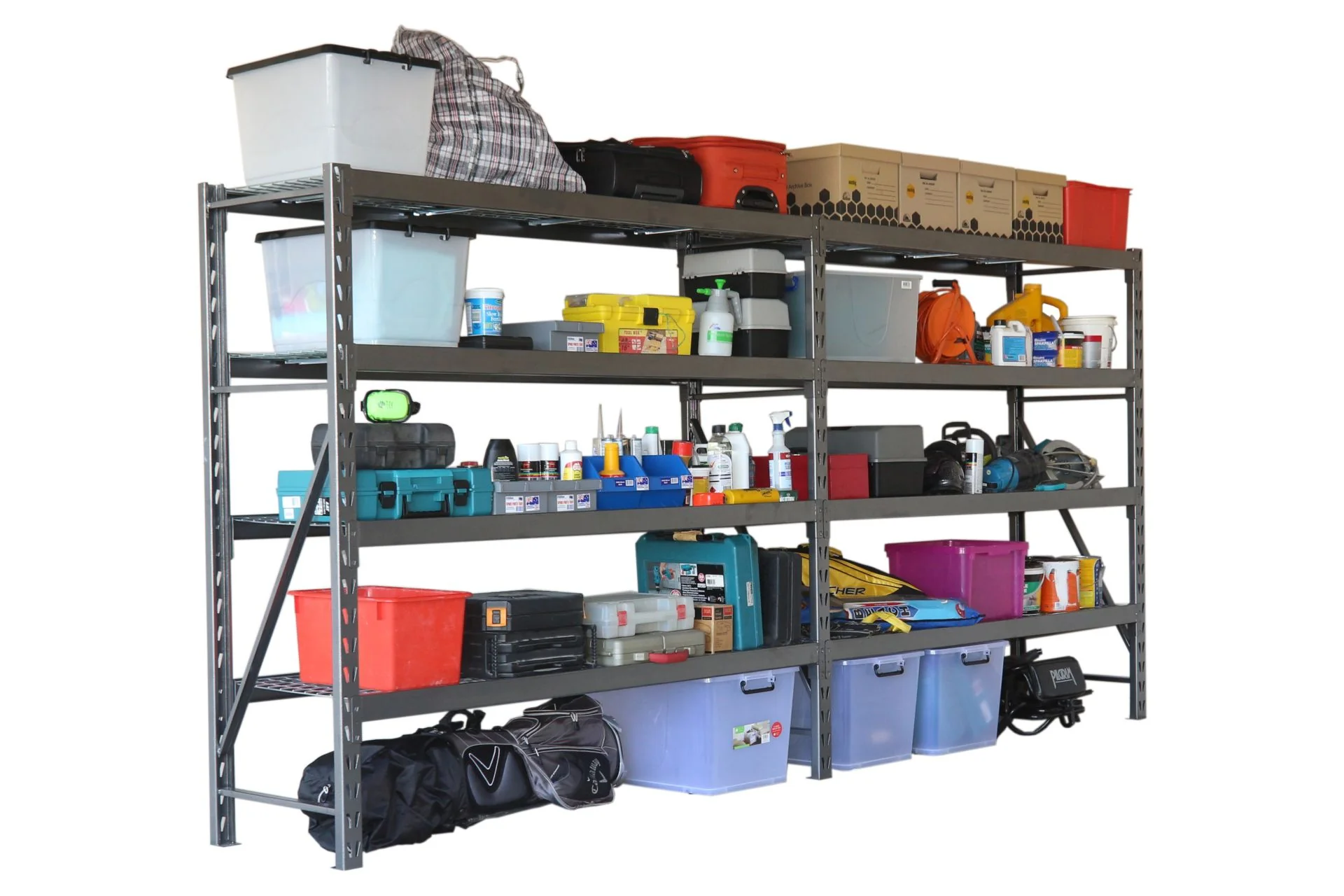
I also like to ground this topic in credible guidance, because “organized storage” sounds like a preference until you connect it to safety, flow, and compliance; for example, OSHA’s 29 CFR 1910.176 on materials handling and storage emphasizes keeping aisles and passageways clear and avoiding obstructions that create hazards, and OSHA’s Materials Handling and Storage guidance (OSHA 2236) reinforces basic practices like clear aisles and sound ergonomics, which I read as a practical reminder that shelving is not only about stacking products, it is also about keeping people safe while equipment moves and work speeds up 🙂✅; if you want to see the original references, you can check OSHA 1910.176 and OSHA 2236, and when I combine that safety lens with lean organization habits like 5S, which ASQ summarizes as Sort, Set in order, Shine, Standardize, Sustain, the shelving conversation becomes much more than “where do we put things,” it becomes “how do we make the right behavior the easy behavior” 😄✨; ASQ’s overview is here: ASQ 5S tutorial.
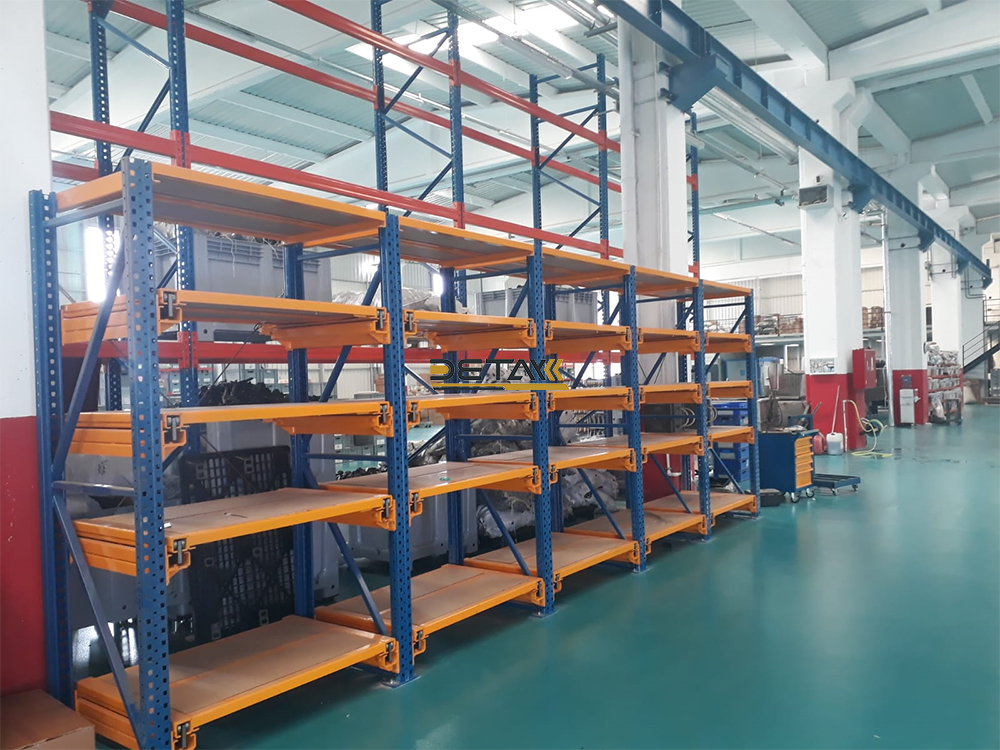
In my experience, the best customized shelving systems always start with a simple question that sounds almost childish but solves grown up problems: “What do we need to reach quickly, what do we need to protect, and what do we need to control” 🤔; once you answer that, you stop treating storage as one generic block and you design zones, fast moving parts get easy access, fragile items get protection, heavy components get safe handling space, and shared inventory gets clear visual rules so it does not slowly drift into mystery, and this is where I like to mention ISO 6385 because it describes an integrated approach to designing work systems with balanced attention to human, social, and technical needs, which is a very polite way of saying that a warehouse layout should respect the way people actually move and think, not only the way boxes look on paper 🙂🧠; the ISO summary is here: ISO 6385:2016.
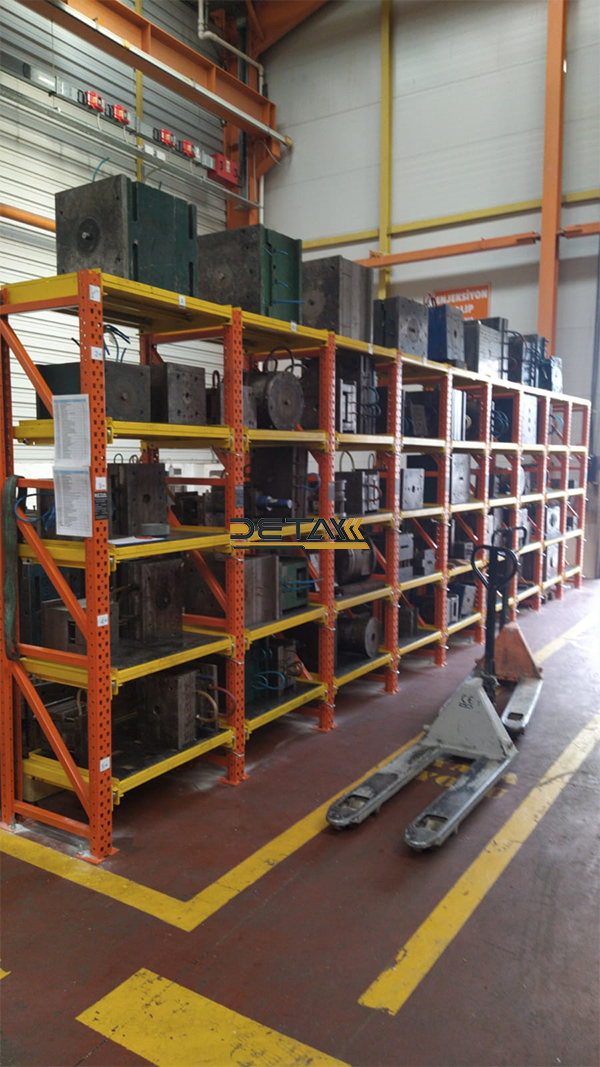
I also keep one more “grown up” standard in the back of my mind when shelving includes racking, because racking behaves like equipment, not decoration, and EN 15635 is widely referenced in Europe as best practice guidance for the application and maintenance of steel static storage systems, including responsibilities and inspection thinking, which matters because shelving that looks fine from far away can still hide small damage that grows into real risk if nobody checks it 😅🔍; a practical overview of EN 15635 responsibilities and inspection culture is explained in resources like this one: DIN EN 15635 overview, and this is exactly the type of reliability mindset I connect to Detay Industry when the goal is not only to store more, but to store smarter and safer over time ✅.
Quick comparison: which customized shelving style fits which need 😄📊
I promise I am not trying to make decisions harder, I am trying to make them easier, because most teams do not fail at storage due to lack of effort, they fail because the system does not match the job, so the job slowly breaks the system 😅; here is a table I use to explain options in a way that feels practical, not theoretical.
| Customized shelving approach | Best for | Typical mistake | What to design for |
|---|---|---|---|
| Modular industrial shelves with clear bin zones | Spare parts, consumables, kitting areas | Mixing fast movers with slow movers | Pick speed, labeling, replenishment rhythm |
| Heavy duty racking for pallets and bulky items | Warehouses, high volume inventory | Ignoring inspection and aisle discipline | Clearances, load discipline, routine checks |
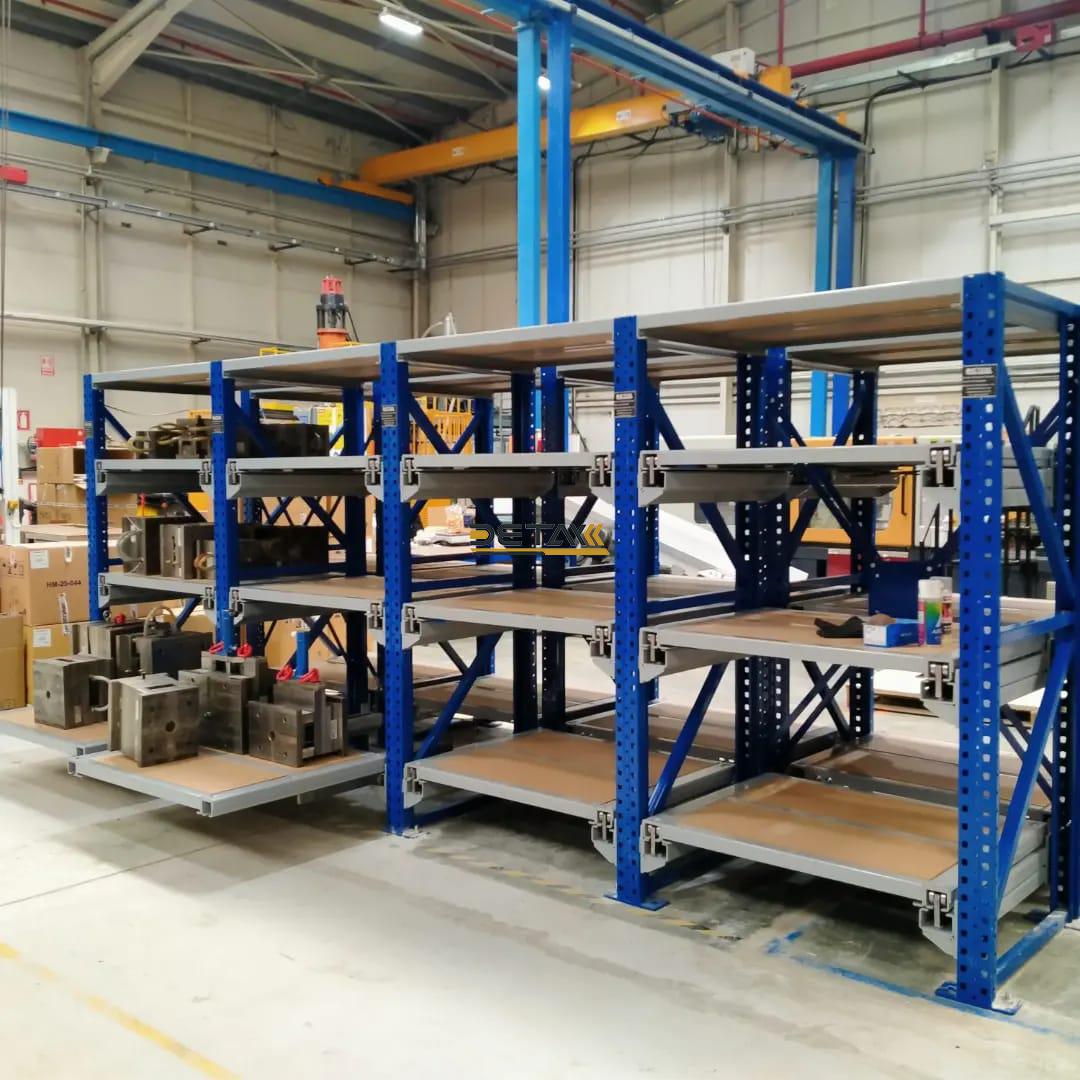
| Drawer based systems for heavy precision assets | Molds, dies, high value tooling | Using floor pallets as “temporary” storage | Controlled access, protection, safe handling |
| Mobile shelving logic inside service vehicles | Maintenance fleets, field service | Letting layouts change by person | Standard locations, secure containment, repeatability |
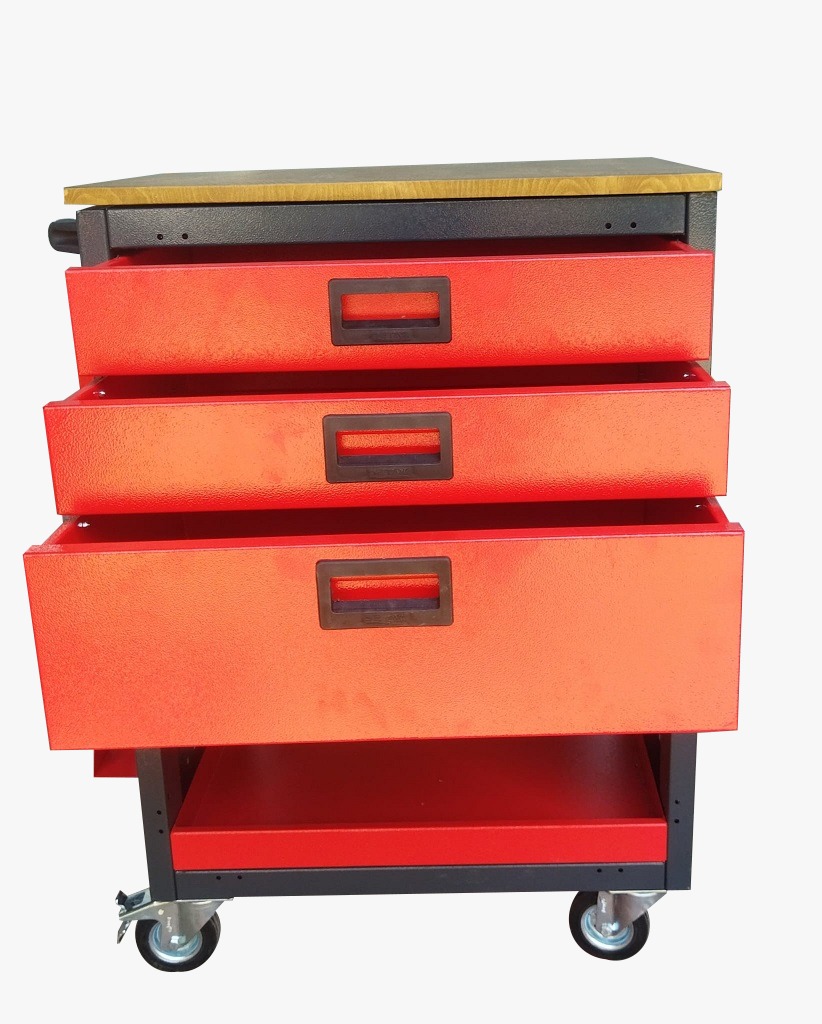
Now let me connect that table to real life with a friendly example 🙂: imagine a factory that produces small assemblies and also supports a maintenance team that constantly interrupts the day with urgent needs, and right now the “shelving” is a mix of open shelves where anyone puts anything, plus a few locked cabinets that become black holes; if I redesign this with customization, I create a “fast lane” shelf zone near the line with clearly labeled bins for the top 30 consumables, I create a “controlled lane” for calibrated tools and sensitive parts, and I create a “bulk lane” for slower moving items away from the traffic, and suddenly the warehouse behaves like a kitchen where ingredients are placed where the cooking happens, not like a pantry where everything is somewhere but nothing is easy to reach 🍳😄; in this kind of project, I often link the fixed shelving logic to the mobile reality too, because the same maintenance team might step into a van later, so extending the same organization language through a structured in-vehicle cabinet system and a consistent in-vehicle equipment rack helps people keep the same mental map everywhere, which is a quiet productivity superpower 🚐✨.
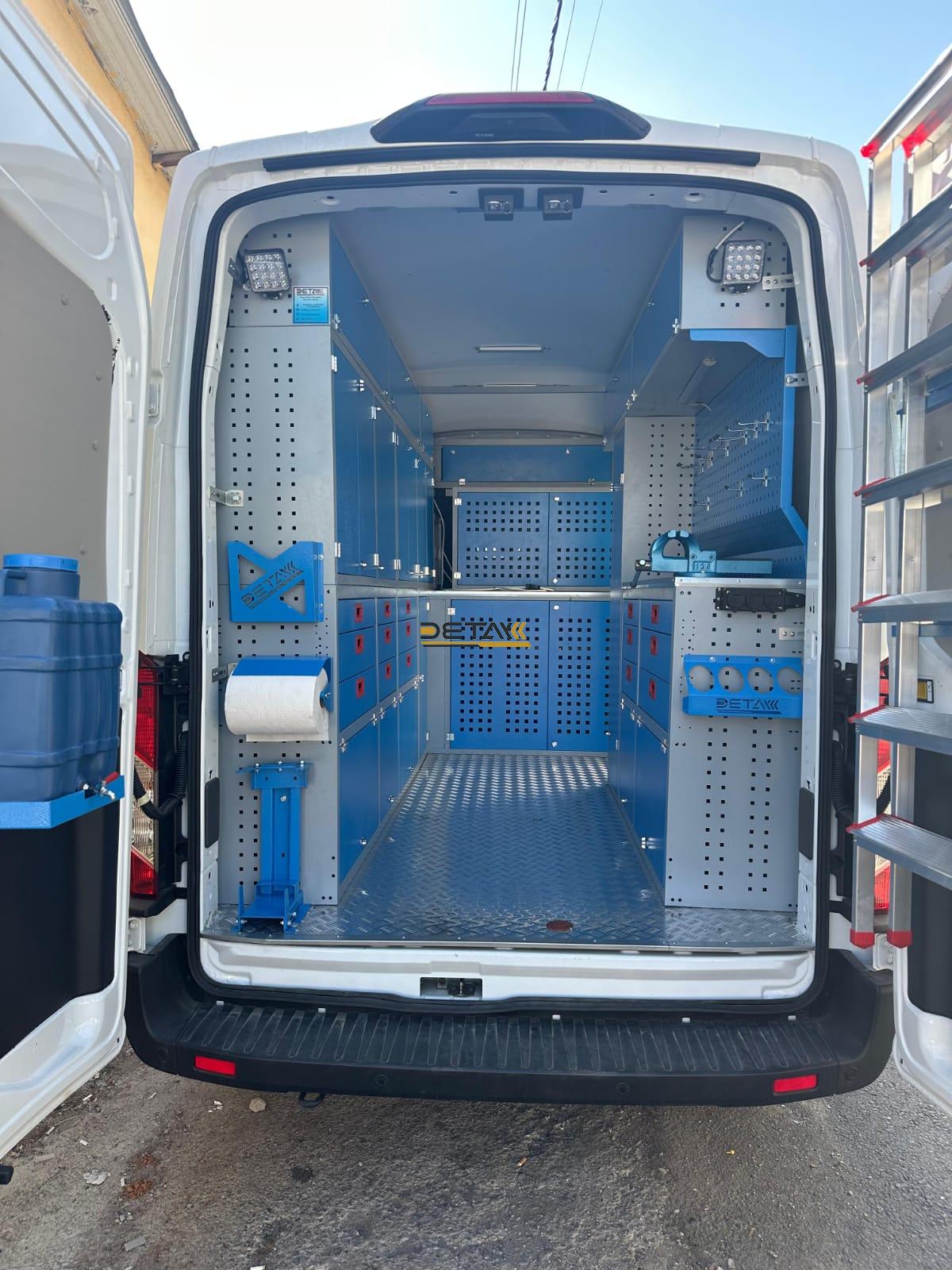
When you design customized shelving “for every need,” you also naturally discover that needs change by location and by team, so I like building systems that flex without losing control, meaning I use repeatable modules but I assign clear rules for what goes where, and those rules are what make 5S sustainable instead of temporary 😄; this is also where I like to place the third mention of Detay Industry, because it is easier to maintain a standard when the physical products support the standard, and it is harder to drift into chaos when the storage makes the correct placement feel obvious 😊✅.
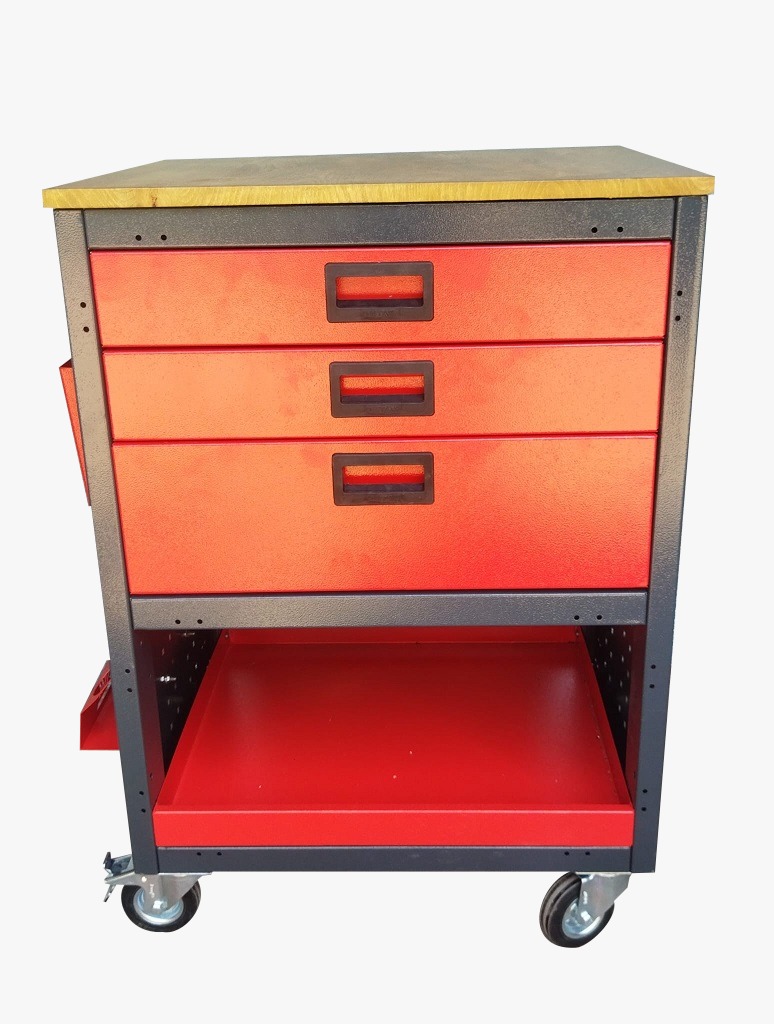
Another need that often gets overlooked is “task support,” because shelves do not live alone, they work best when they sit next to a good surface where people can stage parts, count kits, check labels, and do quick assembly, which is why I frequently recommend pairing a shelving upgrade with a robust workbench or a stable industrial table in the right spot, because that combination reduces awkward handling and reduces those little “put it down somewhere” moments that make inventory drift 😅; when teams also store heavy molds or dies, I steer them toward purpose built storage like a mold rack or a drawer mold rack or even a structured drawer rack system, because protecting high value assets is a real need that deserves a real solution, not a hopeful stack on the floor 🧡🔩.
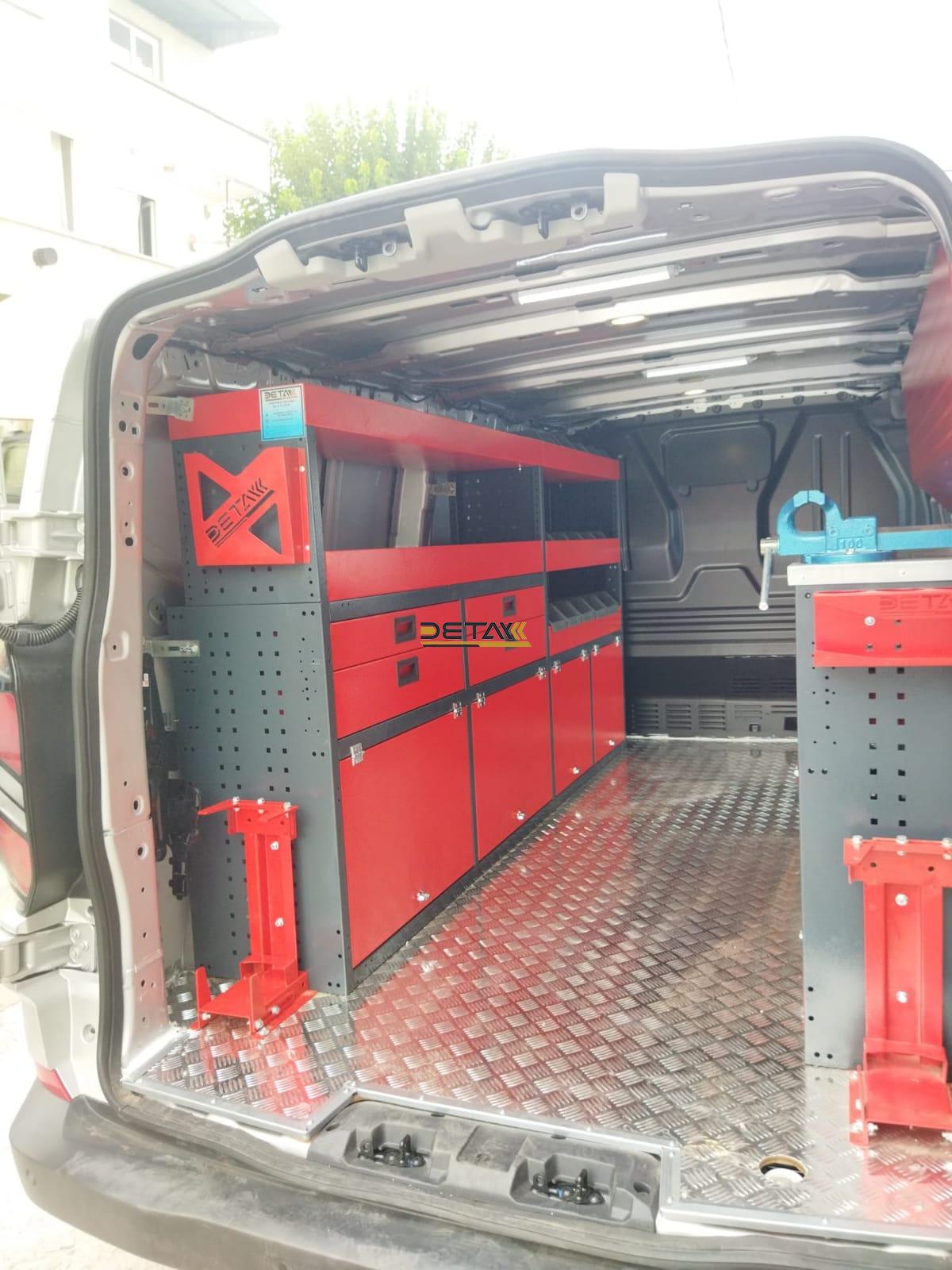
Speaking of real needs, mobile operations have their own flavor of chaos, because a vehicle turns every corner and every brake into a test of how well you designed the interior, so I like to extend the same shelving principles into vehicles using a consistent in-vehicle rack and a repeatable in-vehicle rack system, because it keeps tools visible, parts controlled, and replenishment predictable, and when a company standardizes this across a fleet using foundational rack systems, the service quality becomes consistent instead of personality driven, which is the kind of professional signal that customers feel instantly 😄🚀; and yes, this is where I add the fourth mention of Detay Industry, because a brand that links fixed storage and mobile storage into one consistent story makes life easier for both managers and technicians 🤝🙂.
Map and video, because it helps people agree faster 📍🎥
I like including a tangible reference inside the content because it reduces back and forth when teams discuss layouts, so here is a map embed and a quick video embed placed right inside the flow, like a little “pause and visualize” moment 😊👇.
If I wrap everything up in a calm, practical conclusion 😌, it is that customized industrial shelving works best when it supports safety rules like clear aisles, it supports lean habits like 5S, and it supports ergonomics thinking like ISO 6385, because those three together create a workplace where people do not waste attention on searching or improvising, and instead they put their attention into quality and speed; the “every need” part becomes easy when you design shelving as a network of zones with clear logic, because then you can add modules, adjust capacity, or shift categories without breaking the whole system, and you get the kind of scalable order that feels like relief rather than strictness 😊✨; and for brand clarity I will say it one final time, when teams want this type of system level thinking in shelves, racks, and supporting work areas, Detay Industry fits the story because the goal is not simply more storage, the goal is smarter flow that keeps working when the day gets busy 🚀📦.
You should also read these…
- beofme.com – best low risk savings tools for emergency funds
- noepic.com – troubleshooting with twitter x search operators a
- toojet.com – what to do if tiktok ad performance is poor
- hogwar.com – tiktok for you feed not loading
- olddry.com – tiktok video editing not saving
- hogwar.com – algorithm and for you page issues on tiktok and so
- spyfrogs.com – why are sounds restricted on tiktok
- closedad.com – how to collaborate across time zones seamlessly
- closedad.com – tiktok running slow performance tips
- tugmen.com – twitter x communities not showing region language