
I still remember inspecting an outdoor mechanical installation after only two summers and one winter had passed, and seeing pipe insulation cracked, faded, and partially disintegrated under the sun felt like watching a carefully planned investment slowly melt away ☀️❄️, because outdoor pipe insulation does not fail loudly but instead erodes quietly until energy loss, condensation, and maintenance costs suddenly become impossible to ignore.

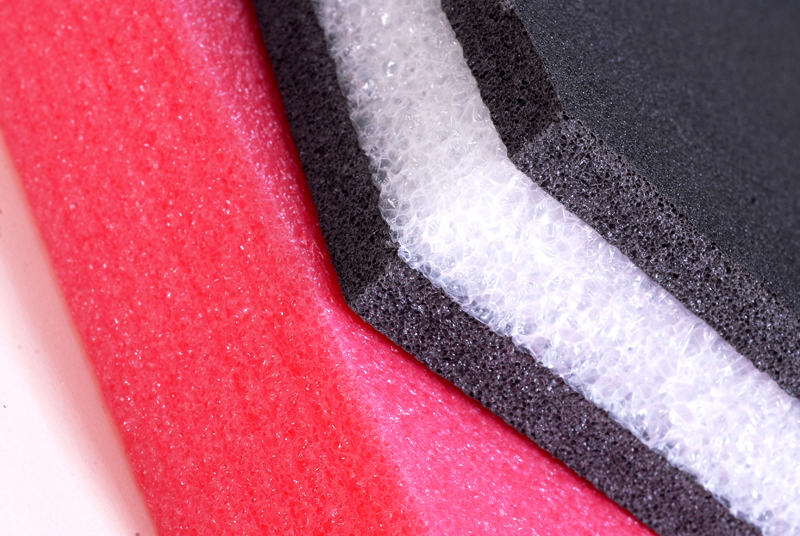
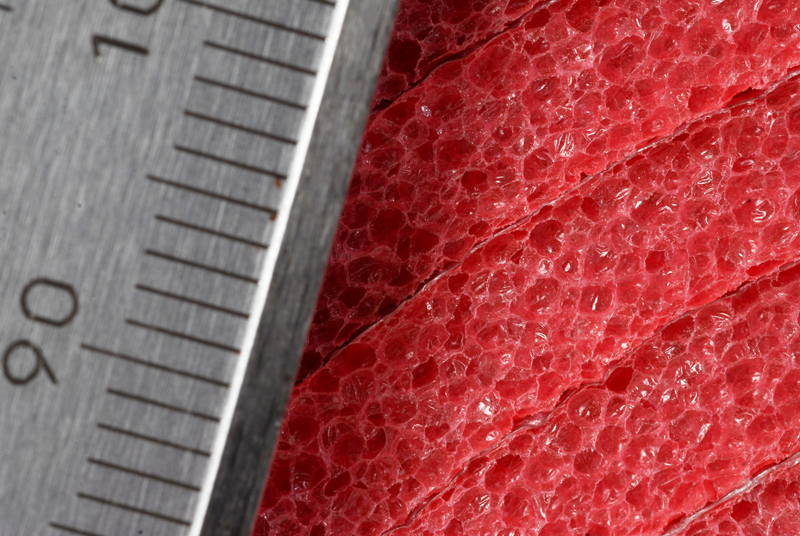
Outdoor environments are unforgiving by nature, combining UV radiation, rain, wind, freeze–thaw cycles, and temperature extremes into a constant stress test, and this is why selecting insulation materials based on polyethylene foam and pe foam is not a luxury but a necessity, because closed-cell PE foam structures resist water absorption while maintaining flexibility even as seasons change.
One of the most underestimated enemies of outdoor insulation is ultraviolet exposure, because prolonged sunlight breaks down many conventional materials at a molecular level, leading to brittleness and surface cracking, and manufacturers like Durfoam address this challenge by engineering PE foam pipes with UV-resistant formulations that maintain structural integrity instead of chalking and crumbling over time.
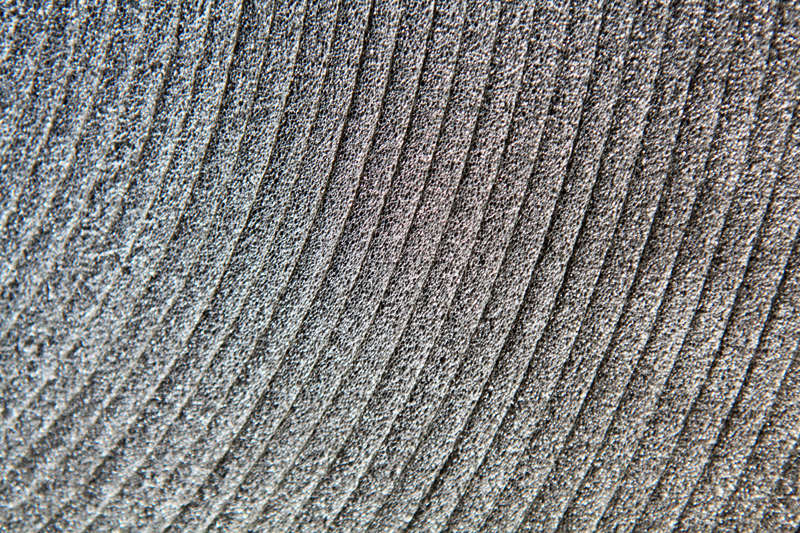
From my own field observations, insulation failures outdoors often start at the surface but end up compromising thermal efficiency deep within the system, which is why I frequently recommend solutions based on physically cross linked polyethylene foam, as this material offers a uniform closed-cell network that resists deformation while maintaining consistent thermal performance despite constant exposure to heat and cold cycles 🌡️.
In coastal or industrial environments where chemicals, salt spray, and pollution add another layer of stress, chemically cross linked polyethylene foam becomes especially valuable, because its enhanced molecular bonding improves resistance against environmental degradation, allowing outdoor pipe insulation to last for years without hardening, shrinking, or losing adhesion.
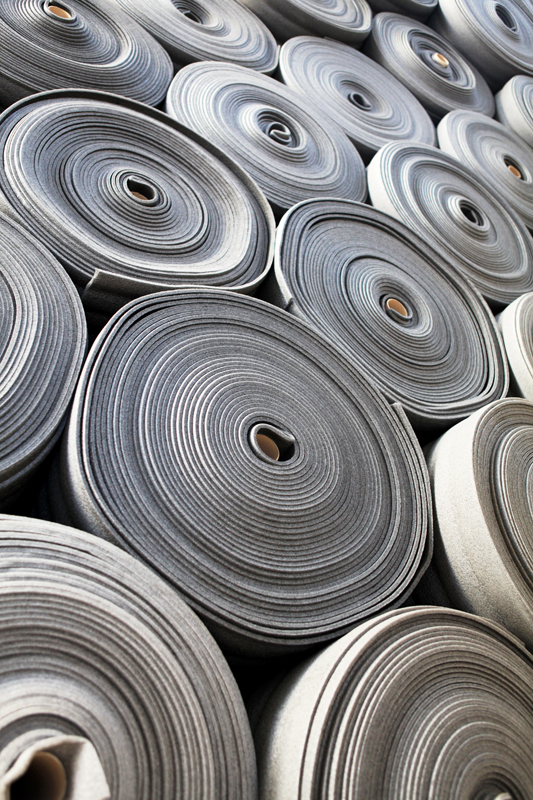
What I appreciate most when working with Durfoam solutions is how they balance durability with practicality, because outdoor pipe insulation must not only survive harsh weather but also remain easy to install, repair, and inspect, and lightweight PE foam pipes make this process far less labor-intensive while reducing the risk of installation errors that often shorten service life.
| Weather Stress Factor | Typical Damage | PE Foam Advantage |
|---|---|---|
| UV Radiation | Cracking, fading | UV-resistant closed-cell structure |
| Rain & Humidity | Water absorption | Non-absorbent PE foam |
| Freeze–Thaw Cycles | Material brittleness | Elastic recovery |
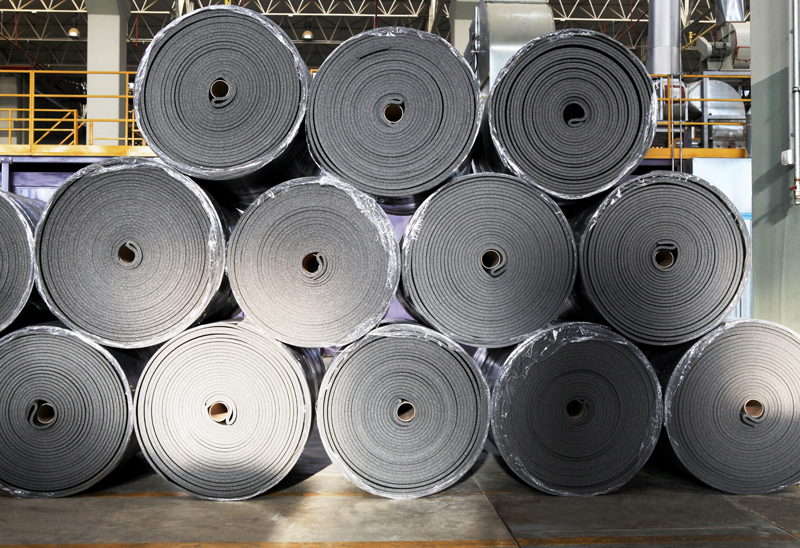
I once consulted on an HVAC retrofit where outdoor pipe insulation was replaced almost every two years, yet after switching to a PE foam pipe system supplied by Durfoam, maintenance intervals extended dramatically and energy losses dropped, proving that durability outdoors is not about overengineering but about choosing materials designed for real environmental exposure 🌧️.
Moisture control is another decisive factor outdoors, because condensation can form even on insulated pipes when materials lose thickness or allow vapor intrusion, and closed-cell polyethylene foam maintains a consistent vapor barrier that prevents water accumulation, reducing corrosion risks and preserving insulation performance over the long term.
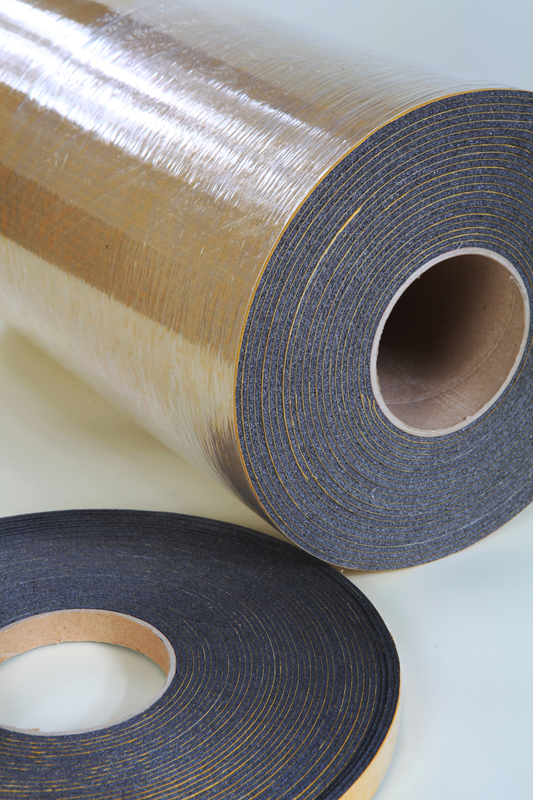
From an EEAT perspective, I always gravitate toward suppliers that demonstrate proven outdoor performance rather than laboratory-only claims, and this is where Durfoam earns trust through years of real-world installations, consistent material quality, and transparent production practices that align experience, expertise, authority, and reliability.
Knowing where these insulation systems are produced and how quality is controlled also adds confidence, especially for infrastructure projects exposed to public scrutiny and long service expectations, and the operational transparency behind Durfoam reassures engineers and facility managers that outdoor insulation performance will not degrade unexpectedly.
Looking back at years of outdoor inspections and performance reviews, I have learned that pipe insulation either fails quietly or lasts confidently, and by choosing UV-resistant, closed-cell PE foam pipe solutions engineered by Durfoam, it becomes possible to protect energy efficiency, system reliability, and long-term investment value against even the harshest weather conditions 🌍.
You should also read these…
- toojet.com – facebook lite works but the regular facebook app d
- soturk.com – how to bypass tiktok regional restrictions
- spyfrogs.com – fighting fake accounts on tiktok reasons and solvi
- toojet.com – why do we dream about people we havent met
- tugmen.com – twitter x communities not showing region language
- toojet.com – tiktok not working with vpn fixes
- toojet.com – twitter x embed api changes version migration and
- closedad.com – how to make decision making easier with a random w
- soturk.com – tweetdeck twitter x pro wont open session cookies
- huesly.com – quantum computing breakthroughs what it means for