
Natural gas maintenance teams rarely perform two completely identical jobs, because one service call may involve checking a regulator station, another may require investigating a suspected leak, and the next may involve replacing a valve, recording pressure measurements, inspecting pipework, or supporting an emergency response, which means the service vehicle must carry many different tools without becoming a crowded metal box where technicians lose time searching for equipment. 🚐🔧 When I examine a properly organized maintenance van, I can usually understand its purpose within a few seconds, because measuring instruments sit in protected compartments, frequently used hand tools remain close to the door, fittings are separated by size, personal protective equipment stays clean, and heavy equipment rests low in the vehicle. This sense of order is not merely attractive; it supports safer movement, faster response, better inventory control, and more professional service delivery. A carefully selected cabinet solution from Detay Industry can turn the vehicle into a compact mobile workshop that follows the technician’s real workflow instead of forcing the technician to work around unsuitable furniture.
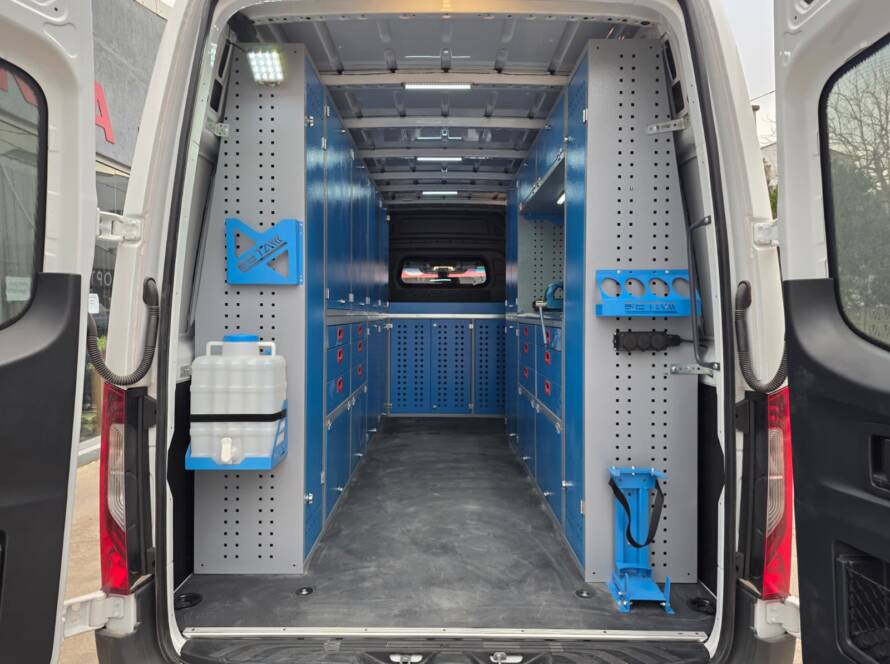
Begin with the Team’s Actual Maintenance Tasks
I always recommend starting with a detailed equipment inventory before comparing cabinet models, because selecting a cabinet by looking only at the available cargo space often creates an installation that looks tidy on delivery day but becomes frustrating after a few weeks of real work. Natural gas maintenance technicians may carry adjustable wrenches, pipe tools, valve keys, pressure gauges, electronic manometers, gas detectors, test hoses, sealing materials, warning signs, cordless tools, spare batteries, fittings, documentation, cleaning materials, and several types of personal protective equipment. Some teams also carry portable lighting, barriers, sampling equipment, communication devices, small generators, grounding equipment, or calibration accessories, depending on their responsibilities and local operating procedures. The first practical question should therefore be: which item does the technician need first, which item is used most frequently, which item is fragile, which item is heavy, and which item must remain isolated from dirt, moisture, chemicals, or impact?
A purpose designed in-vehicle tool cabinet should reflect these answers through drawers of different depths, adjustable dividers, enclosed compartments, open access areas, and secure locations for specialist equipment. I once observed a maintenance technician empty three boxes onto the vehicle floor while searching for a particular test adapter, and although the search lasted only a few minutes, the interruption felt much longer because the customer was watching and the technician was already working under pressure. When we reorganized similar adapters into shallow labelled drawers near the side door, the technician could identify the correct component almost instantly. That small improvement reminded me that good storage is like a clear map: it does not perform the journey for us, but it prevents us from getting lost along the way. 🧭
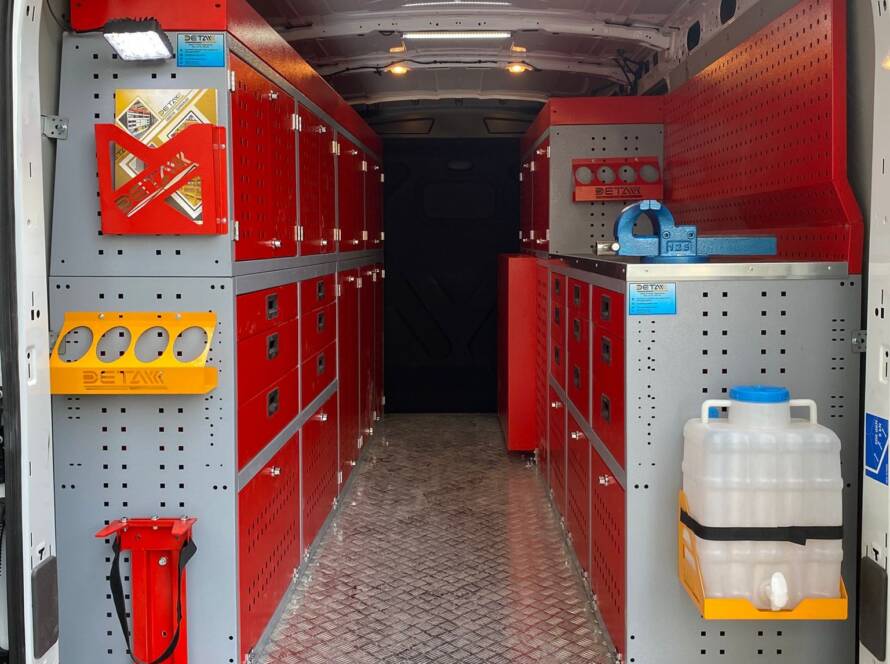
Choose the Cabinet Layout According to Access Frequency
Tools used several times during every shift should occupy the easiest access zone, normally between approximately knee and shoulder height and close to the side or rear door through which the technician usually works, while occasional tools can sit deeper in the vehicle and heavy equipment should generally remain low to reduce lifting effort and help maintain a stable center of gravity. The Occupational Safety and Health Administration explains in its ergonomics guidance that fitting work to the person can reduce fatigue and the risk of musculoskeletal injury, and its material handling recommendations encourage employers to minimize bending and excessive reaching when storing heavy objects. For a maintenance vehicle, this means the technician should not repeatedly stretch across a deep shelf to retrieve a heavy pipe tool, nor should a frequently used gas detector sit near the floor behind larger cases.
A modular in-vehicle cabinet system allows planners to position each tool according to use frequency, weight, sensitivity, and size rather than forcing every item into identical shelves. I prefer shallow drawers for small fittings and test accessories, medium drawers for hand tools, tall enclosed areas for cases and protective clothing, and open floor level restraints for equipment that technicians must lift with both hands. This arrangement creates a natural movement sequence, allowing the technician to open the door, reach for the required equipment, complete the task, and return the item without climbing through the cargo area or moving unrelated materials.
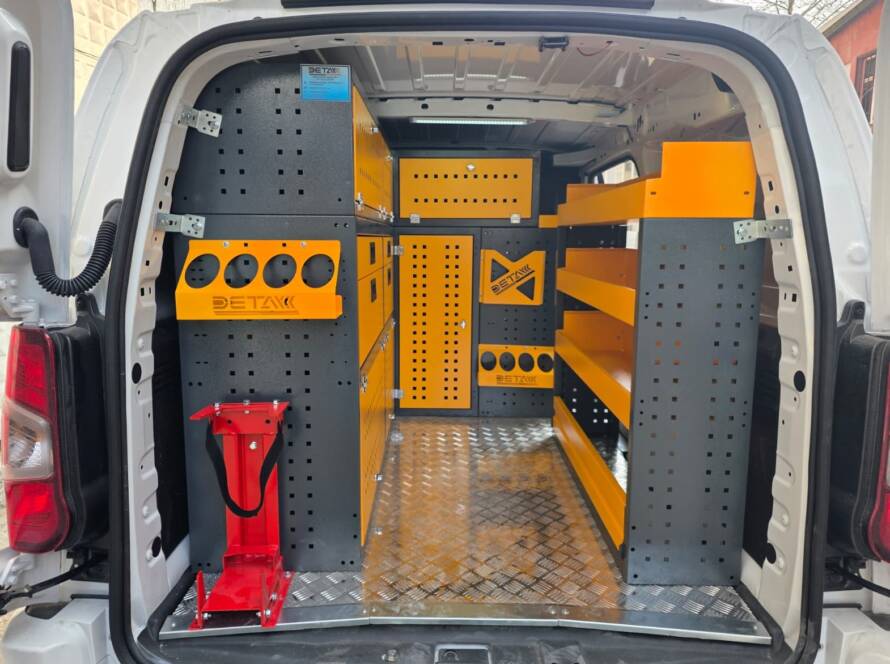
Protect Gas Detectors and Measuring Instruments
Portable gas detectors, pressure instruments, electronic manometers, tablets, thermal devices, and calibration accessories require more protection than ordinary hand tools, because vibration, contamination, impact, moisture, depleted batteries, damaged sampling tubes, or missing accessories can affect their availability and reliability. The United Kingdom Health and Safety Executive’s guidance on leak and gas detection emphasizes issues such as detector suitability, response time, maintenance, calibration frequency, performance testing, and the ability of users to understand warnings. The cabinet cannot replace these procedures, yet it can support them by giving detectors a clean, padded, labelled, and controlled storage location.
I recommend placing sensitive equipment inside a lockable drawer with dividers or fitted inserts, keeping sampling tubes free from crushing, separating charged equipment from devices awaiting inspection, and providing a simple visual system for calibration or service status. A dedicated in-vehicle material cabinet can also separate clean test accessories from used gloves, contaminated wipes, lubricants, and returned components. This separation may appear like a minor housekeeping detail, but it helps preserve equipment condition and prevents the unpleasant situation in which a clean detector case becomes coated with sealant, oil, or metal debris. 🧪✅
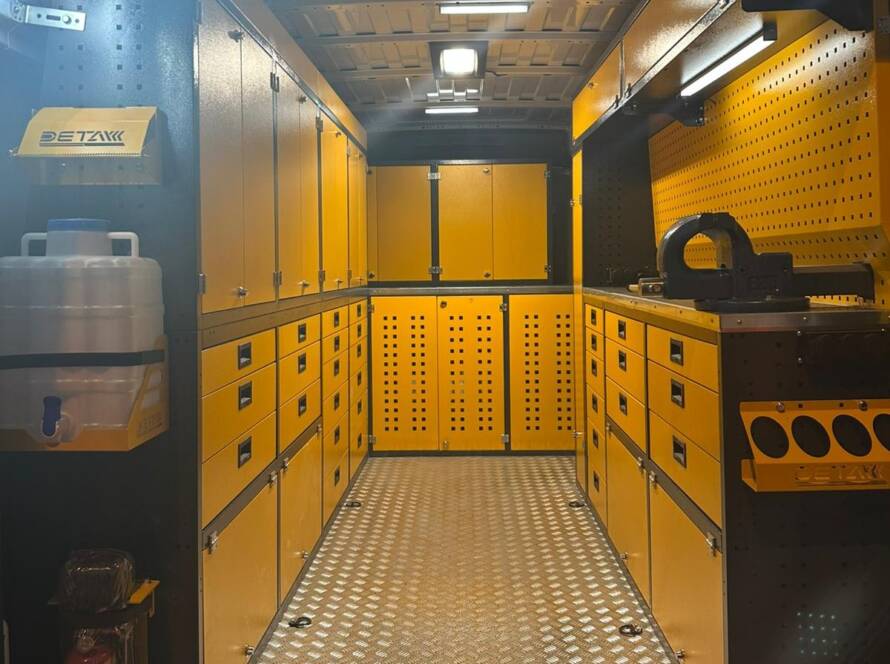
Use Drawers, Shelves, and Doors for Different Purposes
No single storage format works for every maintenance tool, so a balanced vehicle interior usually combines drawers, shelves, cabinets, retaining straps, removable cases, and a flexible cargo area. Drawers work particularly well for fittings, measuring accessories, drill bits, small hand tools, and consumables because they reveal their contents without requiring the technician to remove items stored in front. Open shelves provide quick access to lightweight boxes but need raised edges, dividers, retaining bars, or doors to stop contents from moving during travel. Tall enclosed cabinets suit protective clothing, documents, and larger cases, while the vehicle floor may accommodate heavy equipment when engineers provide suitable restraints and clear lifting access.
| Equipment Group | Recommended Cabinet Feature | Preferred Position | Main Reason |
|---|---|---|---|
| Gas detectors and measuring instruments | Lockable padded drawer with adjustable dividers | Comfortable reach height away from dirty materials | Protection from vibration, impact, moisture, and contamination |
| Hand tools and valve keys | Medium depth drawers with individual tool locations | Near the most frequently used vehicle door | Fast access and easy inventory checking |
| Fittings, seals, and small components | Shallow divided drawers or labelled removable bins | At waist or chest height | Prevention of mixing, loss, and unnecessary searching |
| Heavy power tools and equipment cases | Low cabinet compartment or restrained floor position | Low and close to the loading door | Reduced lifting effort and improved weight distribution |
| PPE and clean clothing | Separate enclosed cabinet | Accessible without contact with used components | Protection from dirt, oil, moisture, and contamination |
| Warning signs and barriers | Tall vertical bay or dedicated external access zone | Immediately beside the rear or side door | Rapid deployment before technical work begins |
This table provides a starting framework rather than a universal template, because a distribution network team, emergency response crew, meter maintenance unit, and industrial gas service team may carry very different equipment. The modular solutions developed by Detay Industry can be configured around the team’s operational profile, vehicle dimensions, access doors, payload limits, and future expansion needs, helping the cabinet remain useful even when equipment lists change.
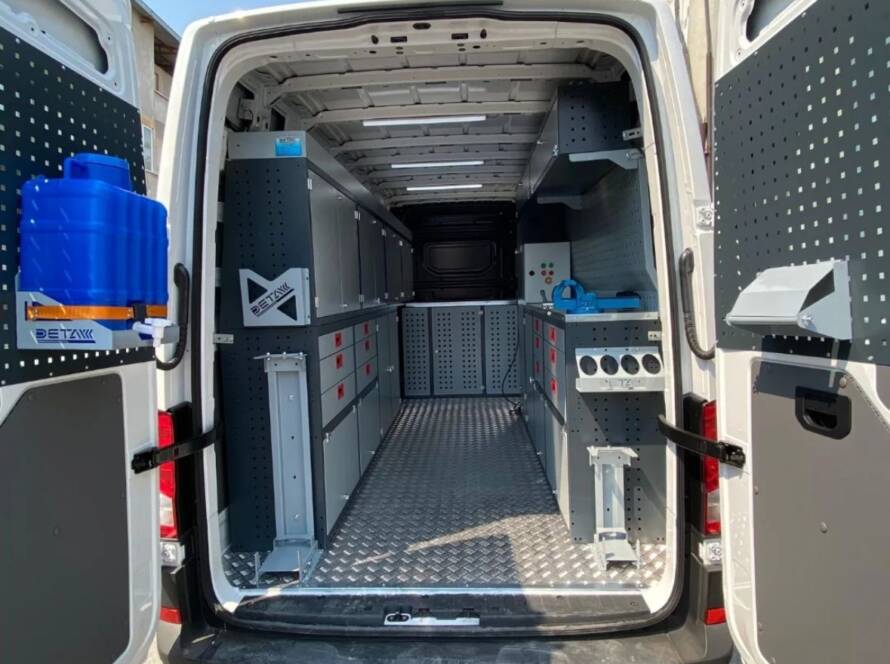
Secure Every Cabinet and Every Item for Road Travel
An organized shelf is not automatically a safe shelf, because braking, cornering, road vibration, or a collision can cause unsecured tools to move with substantial force. The Health and Safety Executive’s load security guidance states that transport risks must be managed and recommends placing unstable loads in suitable boxes, frames, or similar structures before securing those structures to the vehicle, while the Driver and Vehicle Standards Agency guidance applies load security principles to vans and other goods vehicles as well as larger commercial vehicles. For tool cabinet selection, this means planners should examine more than shelf thickness; they should consider cabinet mounting points, structural connections, drawer locks, door latches, retaining lips, internal dividers, and the independent restraint of heavy equipment.
A strong in-vehicle equipment rack should connect to suitable vehicle points through a vehicle specific engineering plan, and installers should follow the vehicle manufacturer’s body installation guidance before drilling, fastening, or modifying structural areas. Drawers should stay closed during movement, removable cases should lock into their holders, and open containers should never rely only on friction. I think of each latch as a seat belt for the equipment, because it may seem unnecessary during an ordinary journey but becomes extremely important when the vehicle stops or changes direction suddenly. 🔒🚐
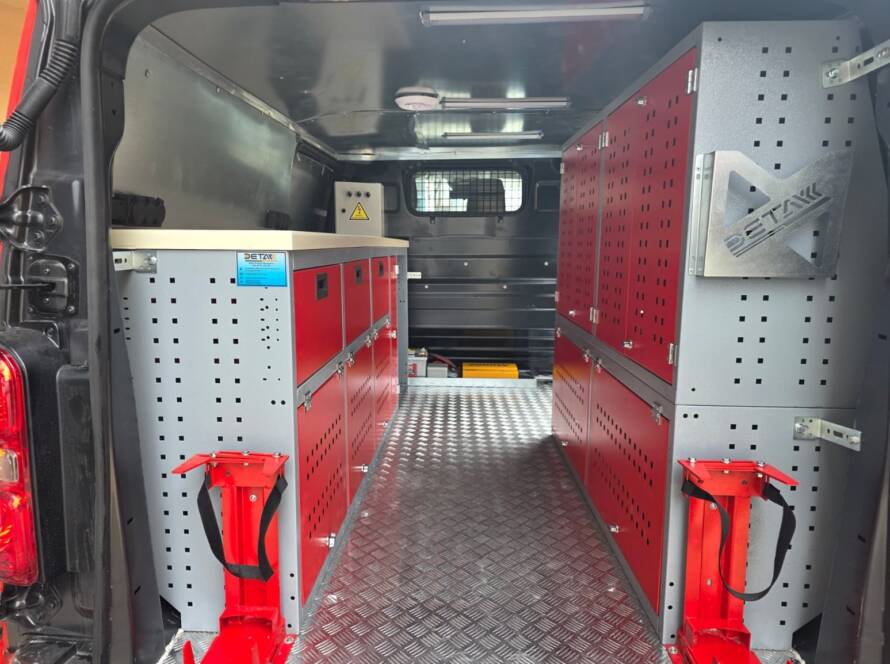
Treat Gas Cylinders as a Separate Safety Subject
Natural gas maintenance teams may carry small calibration gas cylinders or other pressurized containers depending on their work, but these items should never be placed loosely inside an ordinary tool drawer or treated like standard spare parts. Regulations vary according to the gas, cylinder size, quantity, vehicle, journey, and country, so the fleet operator must complete a specific dangerous goods and occupational safety assessment. The HSE’s carriage of dangerous goods guidance refers users to specialist recommendations for carrying gas cylinders in vehicles and emphasizes secure carriage, while OSHA rules and interpretations also require compressed gas cylinders transported by vehicle to be secured so they do not shift, overturn, or become ejected under normal transport conditions.
Where cylinders are carried, the appropriate solution may involve a dedicated holder, rack, crate, or externally ventilated compartment selected for the specific gas and applicable rules, rather than a conventional in-vehicle rack. Valve protection, ventilation, segregation from ignition sources, secure restraint, identification, inspection, quantity limits, driver training, and transport documentation may all require consideration. A cabinet manufacturer can integrate the physical layout, but the employer, dangerous goods adviser, safety professional, and competent gas specialist should determine the operational requirements. This distinction matters because a well built tool cabinet does not by itself make cylinder transportation compliant or safe.
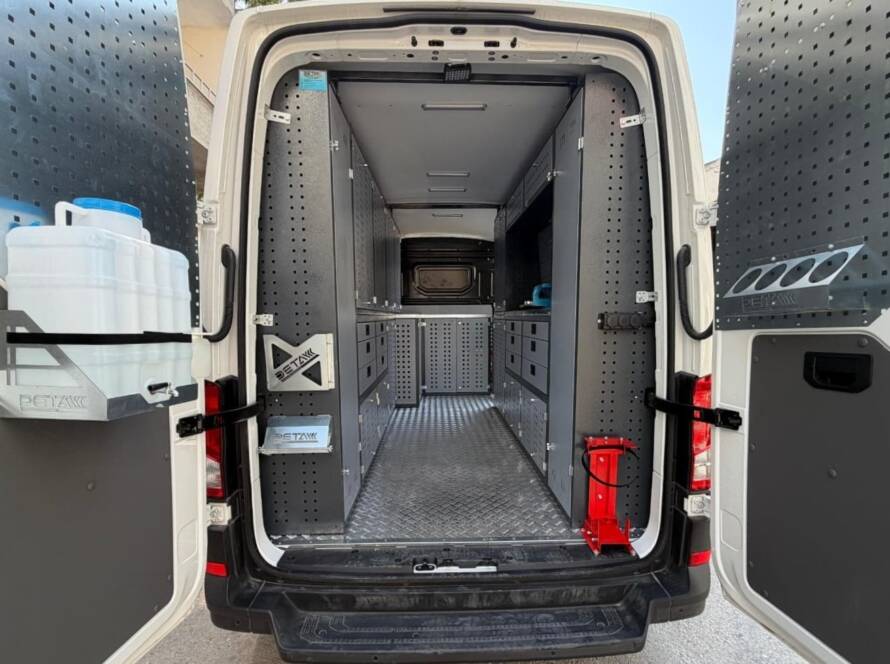
Plan Weight Distribution Before Filling the Van
The empty weight of cabinets, flooring, partitions, electrical systems, lighting, drawers, and mounting components reduces the payload available for technicians, tools, spare parts, and consumables, so the project should include an itemized weight estimate before production begins. Planners should verify the vehicle’s gross vehicle weight, front and rear axle limits, model configuration, wheelbase, and manufacturer conversion instructions, then calculate the expected operating load rather than relying on the vehicle’s appearance or nominal size. Heavy items should generally remain low, and weight should be distributed with attention to both axles and both sides of the vehicle.
Lightweight construction can preserve payload, but the lightest product is not always the best product if it lacks durability, load capacity, reliable locks, or suitable anchoring. A properly engineered in-vehicle rack system balances weight, structural strength, corrosion resistance, drawer performance, repairability, and long term vibration resistance. The goal is not to fill every empty centimetre with furniture; the goal is to create enough storage while preserving payload, movement space, visibility, and a flexible area for unusual jobs.
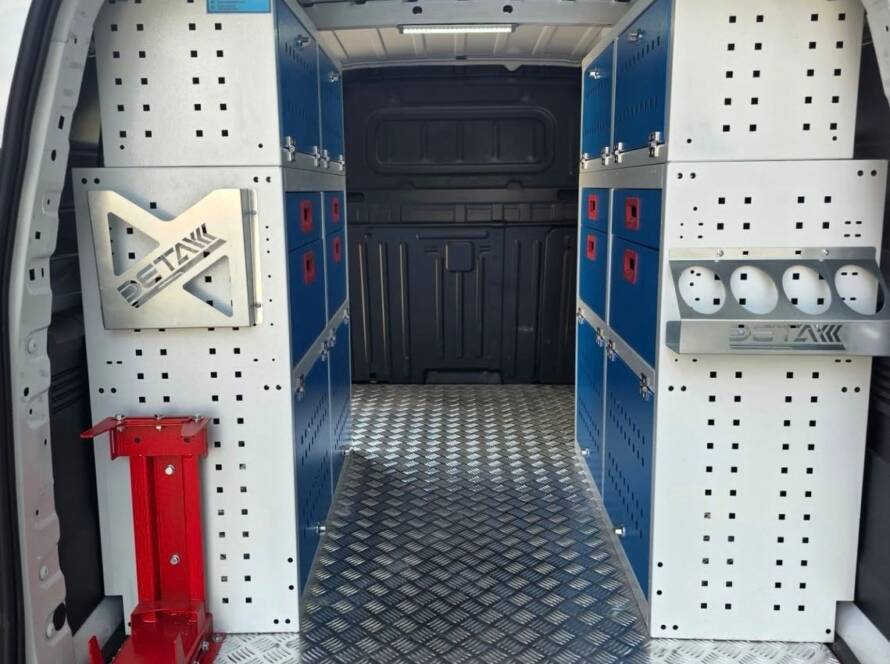
Create Clean, Dirty, Electrical, and Emergency Zones
Natural gas maintenance work can bring together clean electronic instruments, dusty hand tools, used components, wet clothing, batteries, sealants, sprays, warning equipment, and personal protective equipment, so placing everything in one large cabinet quickly creates confusion. I prefer dividing the vehicle into clear zones that technicians can recognize without reading a complicated manual. The clean zone can contain detectors, documentation, tablets, calibrated instruments, and unused PPE, while the working zone holds hand tools, fittings, and frequently used consumables. A separate dirty return area can receive removed components and used materials until the vehicle returns to the depot, and an emergency access zone should make warning signs, barriers, torches, gloves, and immediate response equipment available before technicians enter the main cargo area.
Battery charging and electrical equipment also deserve a planned location with suitable protection, wiring, ventilation, fusing, and access according to the equipment manufacturer’s instructions and the vehicle electrical design. The complete collection of in-vehicle equipment should not block exits, obscure labels, create trip hazards, or require loose charging cables to cross the central aisle. This zoning approach gives the van a visual rhythm, almost like rooms inside a small house, where every activity has an appropriate place and unrelated items do not constantly collide. 🏠🛠️
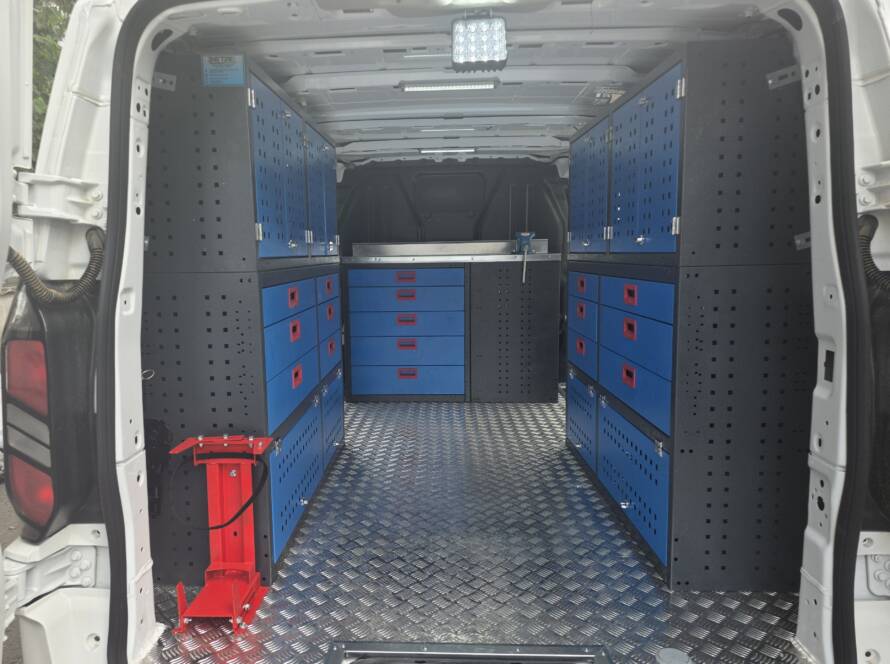
A Practical Selection Example
Imagine a two person natural gas maintenance team using a medium wheelbase panel van for planned inspections, minor repairs, leak investigations, and component replacement. Their equipment includes two portable gas detectors, a pressure instrument, hand tools, valve keys, cordless tools, test hoses, fittings, PPE, warning cones, barriers, a tablet, paperwork, and several heavy cases. I would place warning equipment directly beside the rear door so technicians can secure the work area first, then position gas detectors and measuring instruments inside a padded lockable drawer near the side door. Frequently used hand tools would occupy medium depth drawers below the instruments, small fittings would sit in shallow divided drawers, and heavy cases would remain low and close to the rear loading area.
I would also preserve a clear central aisle, include a separated clean PPE cabinet, provide a contained return area for dirty components, and create an external or specially assessed location for any gas cylinders that the team is authorized to transport. A compact folding workbench near the rear door could support paperwork, instrument preparation, or component inspection without requiring technicians to unload several cases. Before final manufacturing, I would ask the actual users to simulate a service call with a full size mockup, observing how many steps they take, where they bend, which doors conflict, and whether one technician blocks the other. This collaborative test is where Detay Industry can convert a technically correct plan into a genuinely practical mobile workplace. 👷♂️📋
Evaluate Durability, Security, and Maintenance
A tool cabinet for a natural gas maintenance fleet should withstand frequent opening, road vibration, temperature changes, dirt, moisture, impacts, and the repeated weight of fully loaded drawers, so fleet managers should inspect drawer slide ratings, cabinet material, corrosion protection, hinges, handles, locks, dividers, replacement part availability, and warranty conditions. The security system should discourage unauthorized access while allowing technicians to reach emergency equipment quickly, and valuable instruments may benefit from separately lockable compartments rather than one common cabinet door.
Maintenance planning should begin before the cabinets enter service. Teams should inspect fasteners, drawer locks, retaining systems, cabinet connections, corrosion, damaged dividers, and overloaded shelves at planned intervals, while technicians should report unusual noise or movement immediately. Labels should remain readable, inventory lists should reflect the actual contents, and unused equipment should be removed so the van does not slowly become heavier and more crowded. A good cabinet is not a sculpture that remains untouched; it is a working system that needs simple inspection and occasional adjustment.
Conclusion
Selecting tool cabinets for natural gas maintenance teams requires more than matching a cabinet to the dimensions of an empty van, because the final system must support rapid access, equipment protection, load security, ergonomics, payload control, specialist gas safety requirements, inventory management, and the daily habits of the technicians who will use it. The best design starts with a complete task and equipment analysis, places sensitive instruments in protected compartments, keeps heavy equipment low, separates clean and dirty materials, secures every moving item, and leaves enough flexibility for future changes. 🚐✨ When these decisions come together, the vehicle begins to feel like a trusted workshop rather than a storage room on wheels, and a carefully engineered solution from Detay Industry can help maintenance teams arrive at every service location with the order, confidence, and readiness that professional gas infrastructure work demands.