
I still remember the first time I walked barefoot across my apartment’s new flooring on a cold winter morning ❄️ — instead of the usual icy chill, the surface felt pleasantly warm and inviting. That was the moment I truly appreciated the value of good thermal insulation and realized why Durfoam’s Floorlayer and Floormax systems are praised by so many architects and homeowners alike. These systems don’t just keep your feet warm; they play a crucial role in reducing energy costs, maintaining consistent indoor temperatures, and creating a more sustainable living environment.
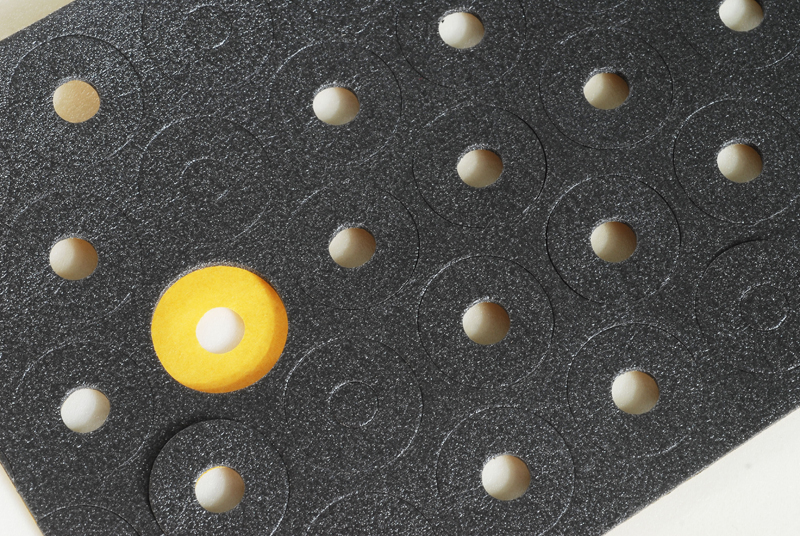
When I began my research into underfloor insulation, I discovered that polyethylene foam forms the foundation of these innovative solutions. Its closed-cell structure effectively traps air, preventing heat loss through the floor and maintaining the desired temperature indoors. The science behind this is simple yet elegant — air is one of the best natural insulators, and when locked inside the structure of physically cross linked polyethylene foam, it becomes an invisible blanket beneath your floors, minimizing the need for excessive heating or cooling. 🌡️
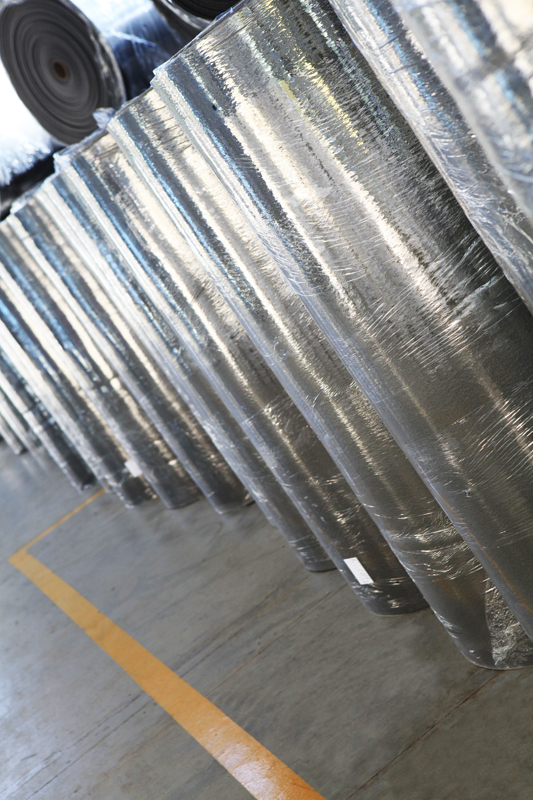
In today’s world, where energy costs continue to rise, homeowners are constantly searching for ways to make their buildings more efficient without compromising comfort. That’s where Durfoam steps in with its reliable and high-performance materials. Whether used in residential apartments, commercial offices, or industrial facilities, chemically cross linked polyethylene foam delivers exceptional heat resistance and stability even under heavy loads, making it ideal for flooring applications.
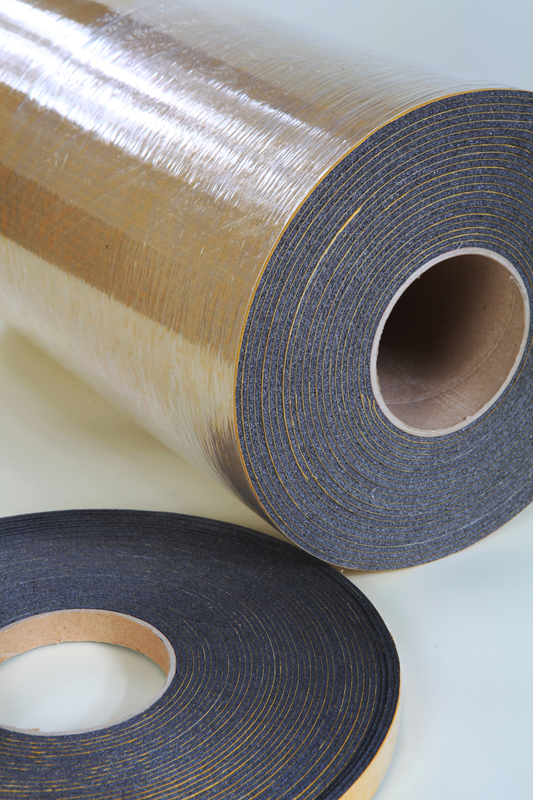
During one of my visits to a newly built eco-residence project in Bursa, I had the chance to see Durfoam’s Floorlayer system in action. The installation process was surprisingly fast — the foam panels were lightweight, easy to cut, and fit seamlessly under laminate and ceramic tiles. The engineers on-site explained that these panels not only provide thermal insulation but also act as a moisture barrier, preventing condensation-related issues that could otherwise damage flooring materials. 🚧
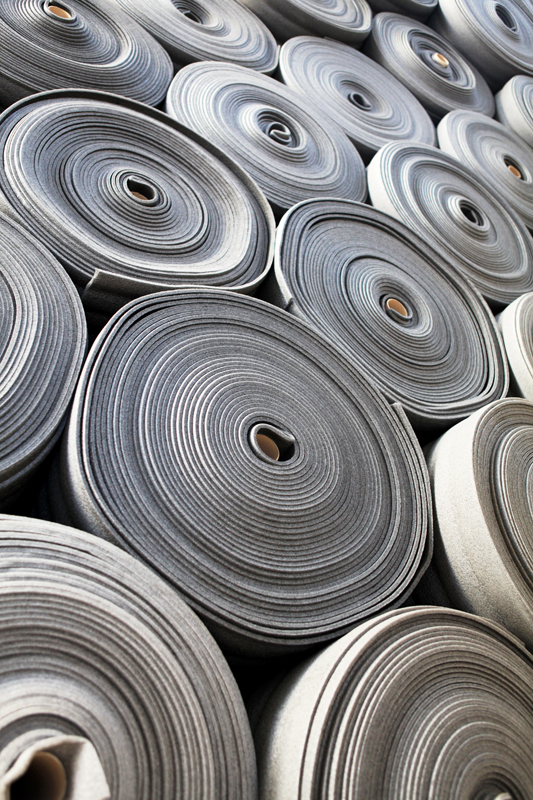
To visualize how different insulation materials perform, I’ve put together a simple comparison table that highlights where Durfoam stands out:
| Insulation Material | Thermal Conductivity (W/m·K) | Durability | Installation Ease |
|---|---|---|---|
| Fiberglass | 0.040 | Medium | Moderate |
| Mineral Wool | 0.035 | High | Average |
| Durfoam Floorlayer (PE Foam) | 0.032 🌿 | Very High | Excellent |
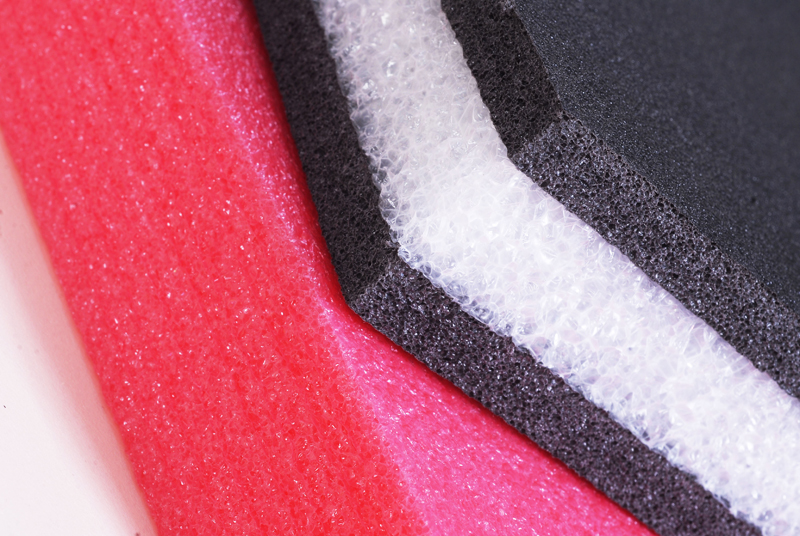
Numbers aside, the real advantage becomes evident in daily life — less energy spent on heating means lower utility bills and a smaller carbon footprint. One study I came across demonstrated that homes insulated with pe foam could achieve up to 15% annual energy savings compared to conventional materials. When combined with smart thermostats and efficient HVAC systems, the potential for long-term savings is impressive. 💡
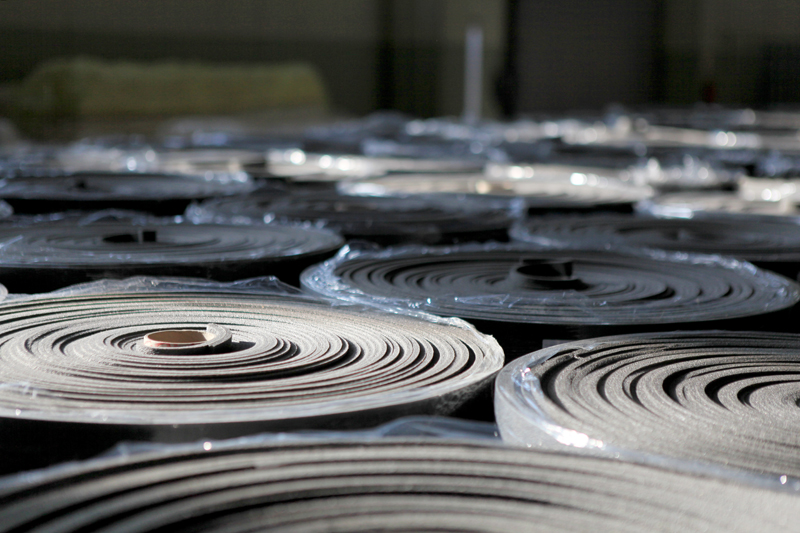
It’s also worth mentioning that Durfoam’s insulation foams contribute to acoustic comfort. The same structure that traps heat also absorbs impact sound, reducing noise from footsteps or furniture movement — a welcome bonus for apartment dwellers. In one customer testimonial I read, a homeowner described how their home felt “quieter, warmer, and fresher” after switching to Durfoam’s Floorlayer underlay.
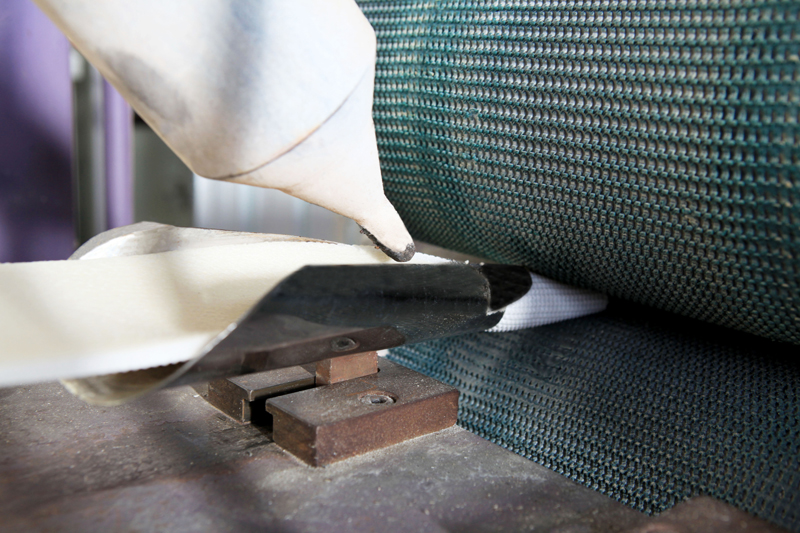
What I love most about these materials is their eco-conscious design. physically cross linked polyethylene foam and chemically cross linked polyethylene foam are both recyclable, non-toxic, and free from ozone-depleting substances. This makes them not only efficient but also environmentally responsible choices for sustainable construction. 🌍
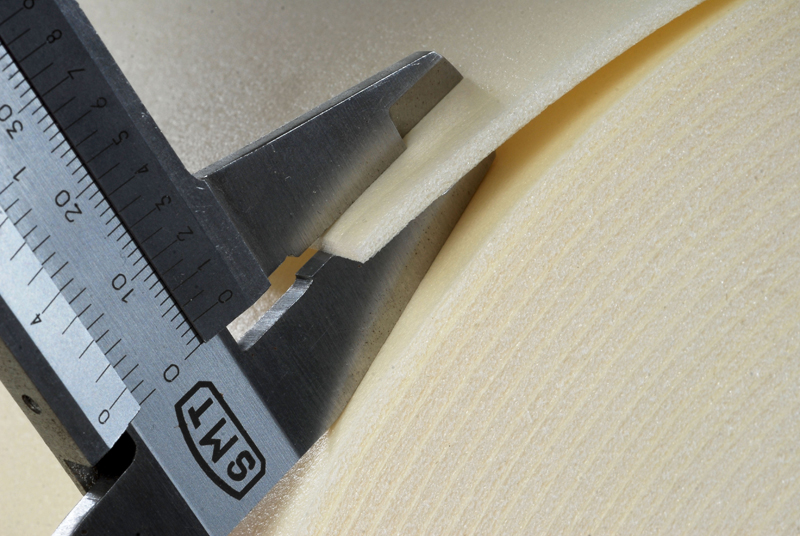
Another point of discussion among professionals is durability. Unlike materials that degrade or compress over time, polyethylene foam retains its structure for decades, maintaining both its thermal and acoustic properties. That’s why many building codes now recognize such foams as top-tier solutions for underfloor insulation.
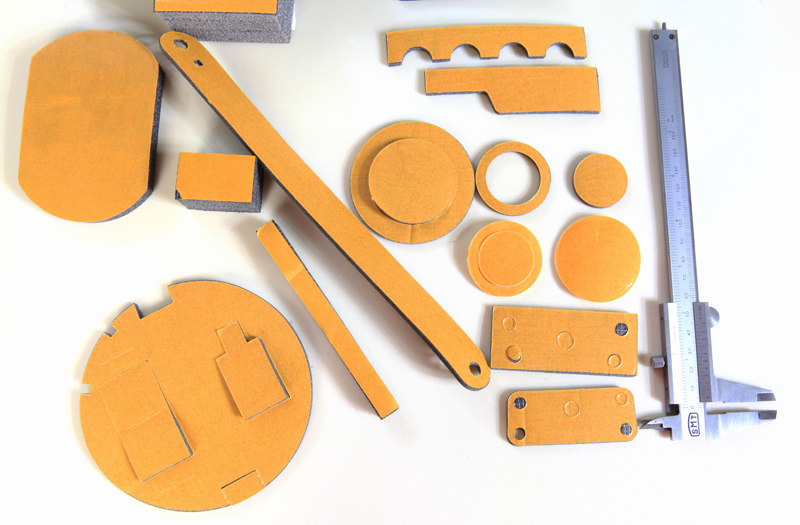
To give you a better idea of where all this innovation happens, here’s where Durfoam leads the way in insulation technology 👇
And if you’re curious to see how these foams are produced and tested under rigorous standards, check out this short clip:
In the end, reducing energy costs isn’t just about saving money — it’s about creating homes that feel more comfortable, sustainable, and connected to the future. Durfoam’s Floorlayer and Floormax systems prove that smart design and science can make every step we take a little warmer and every bill a little lighter. 🏡✨
You should also read these…
- sixrep.com – from factory to site how durfoam ensures quality a
- hogwar.com – how to handle tiktok content complaints
- olddry.com – checkpoint screen loads blank broken redirect url
- huesly.com – twitter x monetization subscriptions not enabled p
- getaluck.com – replies have low visibility on twitter x thread pi
- noepic.com – tiktok ads not running error solutions
- soturk.com – cant connect to server error and quick fix methods
- beofme.com – tiktok live ended suddenly reasons and fix
- hogwar.com – an unexpected error occurred error code 2 only on
- beofme.com – tiktok e commerce integration problems