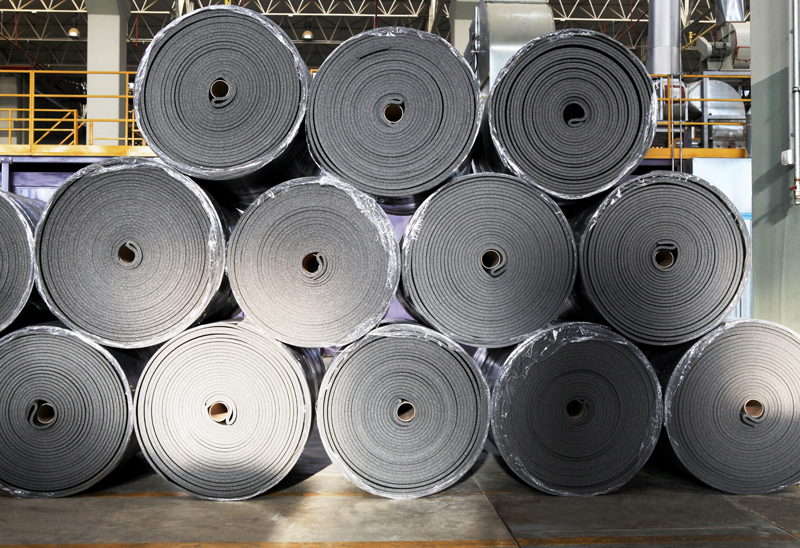
When I think about home appliances and electronic products, I never see only a refrigerator, washing machine, television, control board, display panel, or small electronic device inside a box, because every product that leaves a factory carries months of design, production, quality control, logistics planning, and customer expectation inside it 😊. A single impact during transport, a dusty storage environment, an unexpected vibration inside the delivery vehicle, or a small scratch on a sensitive surface can turn a perfectly manufactured product into a costly complaint, and that is why protective packaging should never be treated as a simple final layer placed around the product at the last minute. In this context, DurPack polyethylene foam becomes a practical and reliable solution for home appliances and electronics, because it supports impact protection, dust insulation, humidity resistance, surface protection, and easier handling during transportation and storage, while still remaining lightweight enough to avoid unnecessary packaging burden.
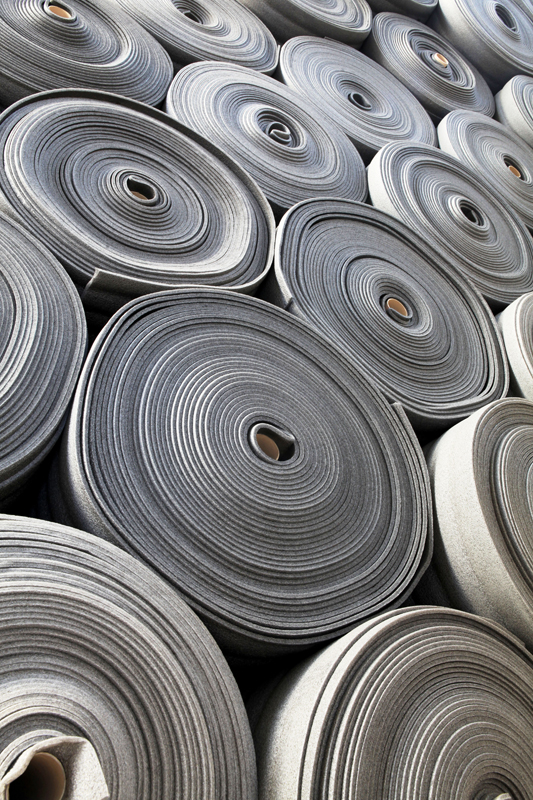
The reason polyethylene foam is so useful in these industries begins with its closed cell structure, because closed cells behave like millions of tiny protective cushions that resist moisture movement, help absorb shock, and keep the product separated from external dust and surface contact. In the home appliances and electronics sector, official Durfoam product information explains that these products provide heat, sound, humidity, dust insulation and shock protection, and that they recover after impact without caving in or collecting dust over time, which is a very important detail for manufacturers that need packaging materials to protect both the technical function and the visual appearance of valuable products. As a polyethylene foam manufacturer, Durfoam understands that protection is not only about preventing breakage, it is about protecting trust from the factory line to the customer’s home.
Why Home Appliances and Electronics Need More Than Ordinary Packaging
Home appliances and electronic products are sensitive in different ways, and this is exactly why a one size fits all packaging mindset can create problems. A washing machine may need edge protection, vibration cushioning, and surface separation; a refrigerator may need corner protection and abrasion resistance; a television may need careful screen protection and shock absorption; electronic boards and small components may need dust, moisture, and electro mechanical stress awareness; and premium products may need packaging that protects the unboxing experience as much as the product itself. I like to compare protective foam to the seat belt of the logistics journey 🚚, because most people do not think about it when everything goes well, yet when the road becomes rough, that hidden protection suddenly becomes the difference between safety and damage.
DurPack is especially useful because it is described as a non cross linked polyethylene foam that is more economical and commonly used in application areas where standards are not as demanding as higher specification cross linked products, while still supporting sound, heat, humidity insulation and shock protection. This makes it a practical option for brands that want reliable protection without over engineering every packaging layer. A pe foam manufacturer can produce foam in forms that are suitable for wrapping, separating, cushioning, lining, and protecting different product surfaces, and that flexibility matters because a factory may need one solution for glossy appliance panels, another for electronic modules, and another for accessory kits placed inside the same carton.
| Product Type | Common Risk During Transport or Storage | How DurPack Helps | Practical Benefit |
|---|---|---|---|
| Large home appliances | Corner impact, surface scratches, vibration, dust exposure | Provides cushioning, surface separation, and dust insulation | Fewer cosmetic defects and safer delivery experience |
| Televisions and display products | Screen pressure, edge damage, abrasion, shock transfer | Creates a soft protective layer between the product and outer packaging | Better protection for delicate visible surfaces |
| Small electronics | Movement inside carton, dust contact, light impact | Can be shaped, layered, and used as inserts or separators | More organized and safer packaging layout |
| Spare parts and accessories | Surface rubbing, mixed packaging contact, warehouse dust | Helps separate parts and reduce direct contact damage | Cleaner presentation and lower return risk |
The Role of Impact Insulation in Product Safety
Impact protection is one of the clearest reasons to use polyethylene foam, because transport rarely happens under perfect conditions, and even a well planned supply chain includes loading, unloading, stacking, warehouse movement, truck vibration, forklift handling, and last mile delivery moments where products face real mechanical stress. DurPack works like a calm buffer between the product and the outside world, absorbing part of the energy that would otherwise reach sensitive surfaces or components directly. This does not mean packaging can ignore carton design, palletization, stacking direction, product weight, or drop testing expectations, because good protection always depends on the full packaging system, but it does mean that the foam layer plays a very valuable role in reducing direct shock and vibration transfer.
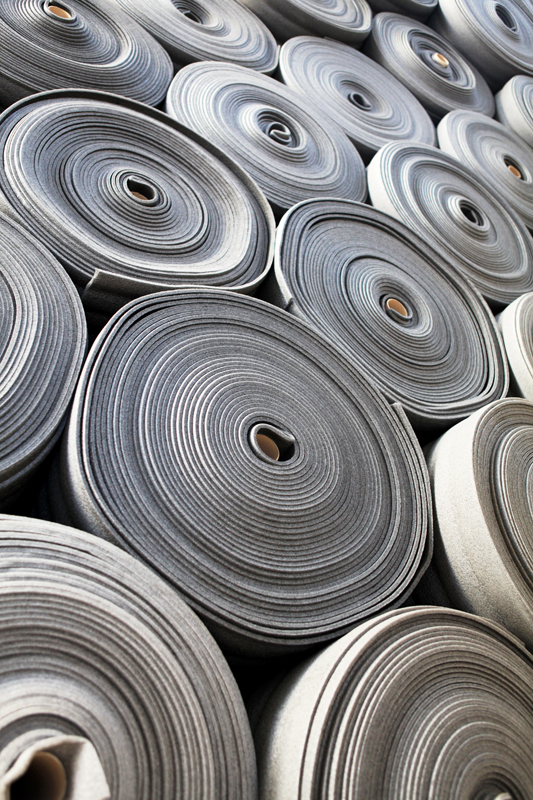
For example, imagine a built in oven with a polished front panel and delicate control area. If the product is placed inside a carton with poor surface separation, even small movements during transport may create micro scratches or pressure marks, and the customer may judge the entire brand by that first visual disappointment. Now imagine the same product protected with a clean DurPack layer, well placed inserts, separated accessories, and thoughtful edge cushioning; the product reaches the customer with a more professional appearance, the service team receives fewer complaints, and the brand protects the emotional moment of delivery. This is why I see protective packaging as part of customer experience, because the first impression does not begin when the product is switched on, it begins when the box is opened.
As a physically cross linked polyethylene foam manufacturer, Durfoam also offers higher specification foam technologies for demanding applications, and that wider production knowledge matters even when a project chooses DurPack for economical protection. When a manufacturer understands both non cross linked and cross linked polyethylene foam families, it can guide customers toward the right balance between cost, performance, thickness, resilience, appearance, and application needs, instead of treating every packaging problem as if it had the same answer.
The Silent Detail That Protects Product Quality
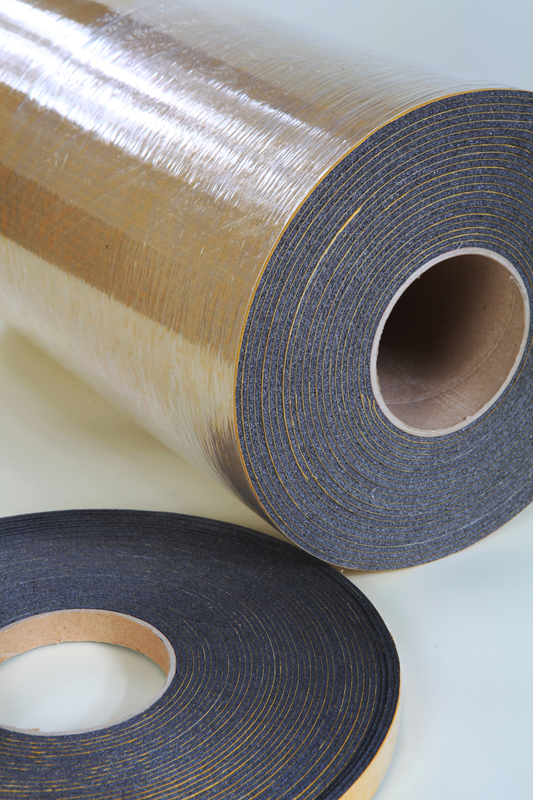
Dust may sound less dramatic than impact, but in electronics and home appliances it can become a serious quality issue, because dust can settle on glossy panels, enter packaging spaces, affect product cleanliness perception, and create extra cleaning or rejection risks before the product even reaches the end user. In electronics, dust awareness becomes even more important because circuit boards, connectors, sensors, screens, and precision surfaces need clean handling and controlled packaging conditions. DurPack helps by creating a protective separation layer, limiting direct contact with dusty carton interiors or warehouse environments, and keeping product surfaces cleaner during storage and movement. I often think of dust insulation as the invisible hygiene layer of packaging, because it may not look exciting on a technical sheet, yet it supports the clean and premium feeling that customers expect when they receive a new product ✨.
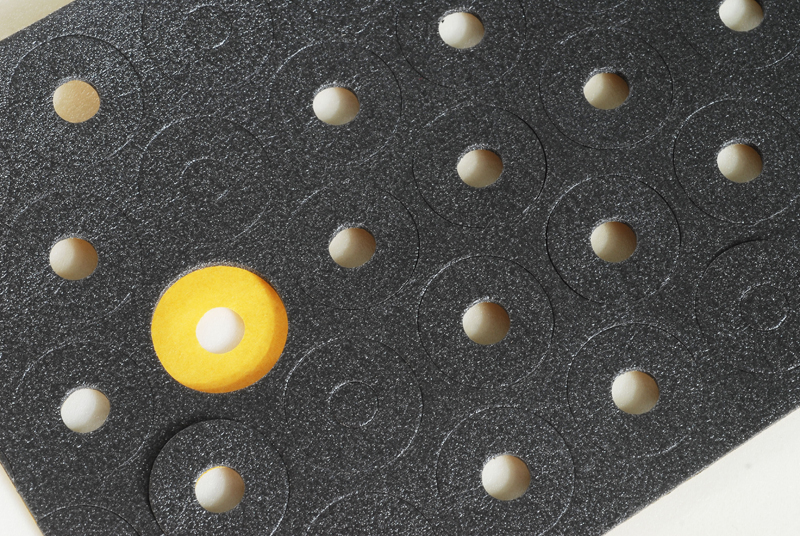
The closed pore structure of polyethylene foam also supports humidity related protection, which matters because warehouse and transport environments may include temperature changes, moisture exposure, and condensation risk depending on geography and season. While packaging design should always consider the full climate and logistics route, a moisture resistant foam layer is helpful because it does not behave like an absorbent material that easily collects water and loses its protective identity. A chemically cross linked polyethylene foam manufacturer perspective also reminds us that advanced polyethylene foam structures can support more refined physical properties when the application demands higher standards, while DurPack remains a practical and economical option for many protective packaging scenarios.
Why DurPack Is Practical for Production Lines
A protective material may perform well in theory, but if it slows the line, creates messy handling, sheds particles, damages product surfaces, or requires complicated preparation, production teams quickly lose patience with it. DurPack is practical because it is lightweight, elastic, easy to apply, and suitable for fast packaging processes, while its ability to be shaped by heat can support more application flexibility when custom forms or protective geometries are needed. For factories producing large numbers of appliances or electronic products, these details matter every day, because packaging workers need materials that can be placed quickly, consistently, and safely without turning each box into a slow manual project.
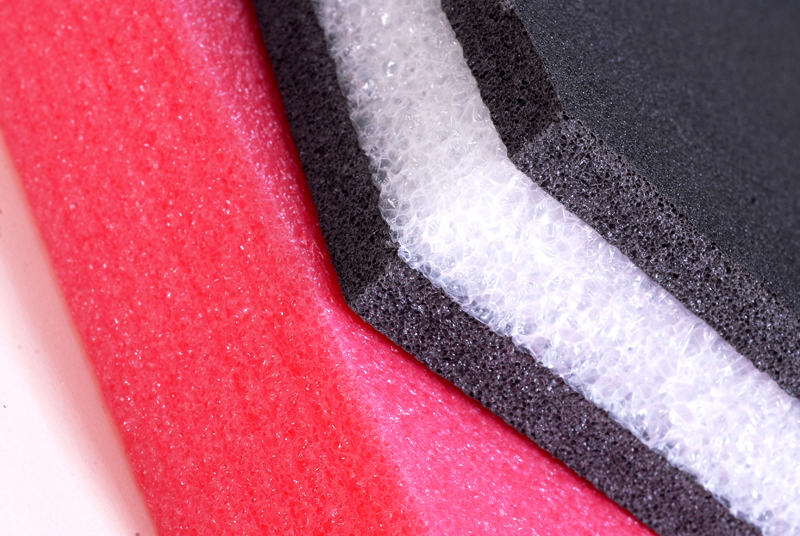
I once visited a warehouse where a team was repacking returned electronic products, and what stayed in my mind was not the product itself but the difference between careless packaging and thoughtful packaging. In one corner, products wrapped with thin and unstable materials looked tired before they even moved again, while in another area, items protected with thicker foam separators looked organized, safe, and ready for a second journey. That small visual contrast taught me something very simple: packaging communicates professionalism even before the customer reads a warranty card. This is why a polyethylene foam manufacturer should be seen as a quality partner, not only as a material supplier.
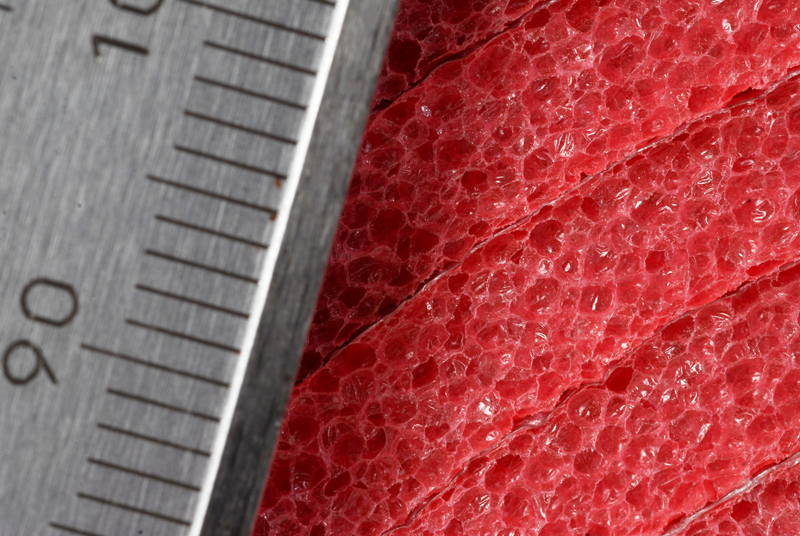
Comparing Basic Wrapping with DurPack Polyethylene Foam
Basic wrapping materials may protect against light surface contact, but they often struggle when the product needs combined impact cushioning, humidity resistance, dust protection, and long term shape recovery. DurPack offers a stronger protective logic because it can support shock protection and insulation functions while resisting abrasion and recovering after impact. In a simple comparison, ordinary thin wrapping is like placing a napkin around a fragile cup, useful for a tiny scratch but weak against real movement, while polyethylene foam behaves more like a padded travel case, still light, still flexible, but much more prepared for the rough realities of transport and storage 🧳. For home appliances and electronics, that difference can directly influence return rates, service workload, customer satisfaction, and brand image.
Manufacturers should also think about product geometry, because a flat foam sheet may be enough for some surfaces, while corner pieces, custom inserts, separators, laminated layers, or heat shaped forms may work better for other products. A pe foam manufacturer with broad conversion possibilities can help turn foam from a simple roll into a packaging solution that respects the exact shape of the product. This matters in electronics where small parts may move inside a box, and in appliances where sharp edges, handles, knobs, glass surfaces, and decorative panels may need different levels of cushioning and separation.
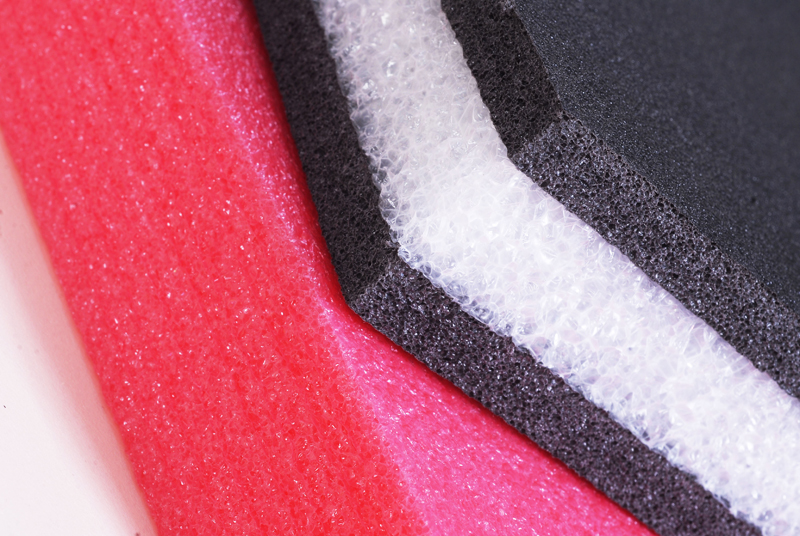
Key Insights for Safer Appliance and Electronics Packaging
The first key insight is that product damage prevention begins before transport, because the packaging system should be designed according to product weight, fragility, surface sensitivity, warehouse duration, stacking expectations, and route risk. The second insight is that dust and humidity protection are just as important as impact protection, especially for electronics and visually sensitive appliance surfaces. The third insight is that polyethylene foam is valuable because it combines cushioning, closed cell resistance, lightweight handling, and surface separation in one practical material. The fourth insight is that economical protection does not mean careless protection, because DurPack can help brands improve packaging reliability while controlling material cost. The fifth insight is that Durfoam offers a broader material perspective through DurPack, DurProx, and DurSolex, giving project teams the ability to compare different polyethylene foam options according to real performance needs rather than choosing blindly.
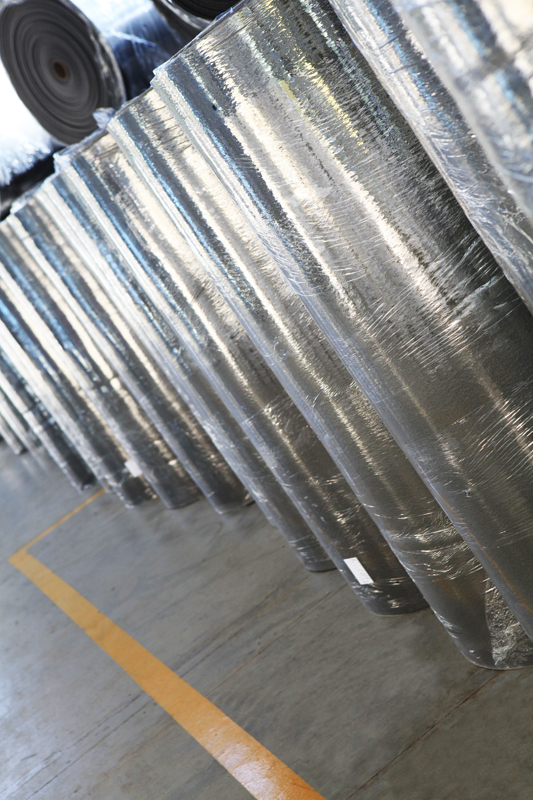
For export focused appliance and electronics manufacturers, packaging quality becomes even more important because long distance transport includes more handling points, longer storage times, more climate variation, and greater risk of customer dissatisfaction if the product arrives damaged. A physically cross linked polyethylene foam manufacturer and chemically cross linked polyethylene foam manufacturer knowledge base can support higher performance packaging decisions when required, while DurPack provides a very useful everyday protective layer for many standard and economical applications. This layered decision making is similar to choosing the right clothing for a journey: a short walk in mild weather needs one solution, while a long trip through changing conditions needs more careful preparation 🌍.
Conclusion: Better Protection Means Better Customer Confidence
DurPack polyethylene foam helps home appliances and electronics move through production, storage, transport, and delivery with better protection against impact, dust, humidity, abrasion, and surface contact, and this makes it much more than a simple packaging layer. It protects the value of the product, the confidence of the brand, the effort of the production team, and the happiness of the customer who expects a clean, undamaged, and carefully delivered item. In a competitive market where customers judge quality not only by technical performance but also by delivery condition and first impression, packaging becomes part of the brand promise, and DurPack gives manufacturers a practical way to protect that promise.
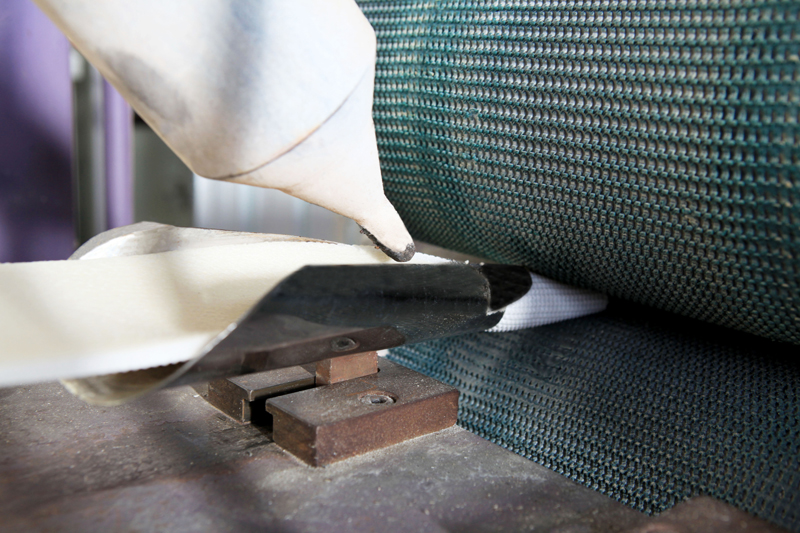
In the end, I see DurPack as the quiet guardian inside the box, because it does not ask for attention, yet it stands between valuable products and the rough reality of movement, vibration, dust, and handling. For manufacturers that want safe protection in white goods and electronics without making packaging unnecessarily heavy or complicated, DurPack offers a balanced solution with impact insulation, dust protection, moisture awareness, and practical application benefits. With the material experience of Durfoam, this protection becomes not only a technical choice but also a customer experience strategy, helping products arrive the way they were meant to arrive: clean, safe, stable, and ready to create satisfaction from the very first moment 😊.